The Journey to Better Hearing: Fitting Your Hearing Aid
Understanding Hearing Aid Evaluation
The initial stage in the hearing aid fitting process is an in-depth evaluation, intended to assess the degree and type of hearing loss. Audiologists conduct various tests to map out your audiogram, a visual representation of your hearing abilities. This step is crucial in tailoring the right hearing solution for each individual's unique auditory landscape.
Advertisement
Individual Needs Assessment
Beyond just hearing thresholds, the audiologist will also dive into understanding your lifestyle and preferences. Are you often in bustling environments or do you favor tranquil spaces? This personal insight ensures the hearing aids you select suit not just your hearing needs but also your day-to-day routine.
Advertisement
Selecting the Ideal Hearing Aid
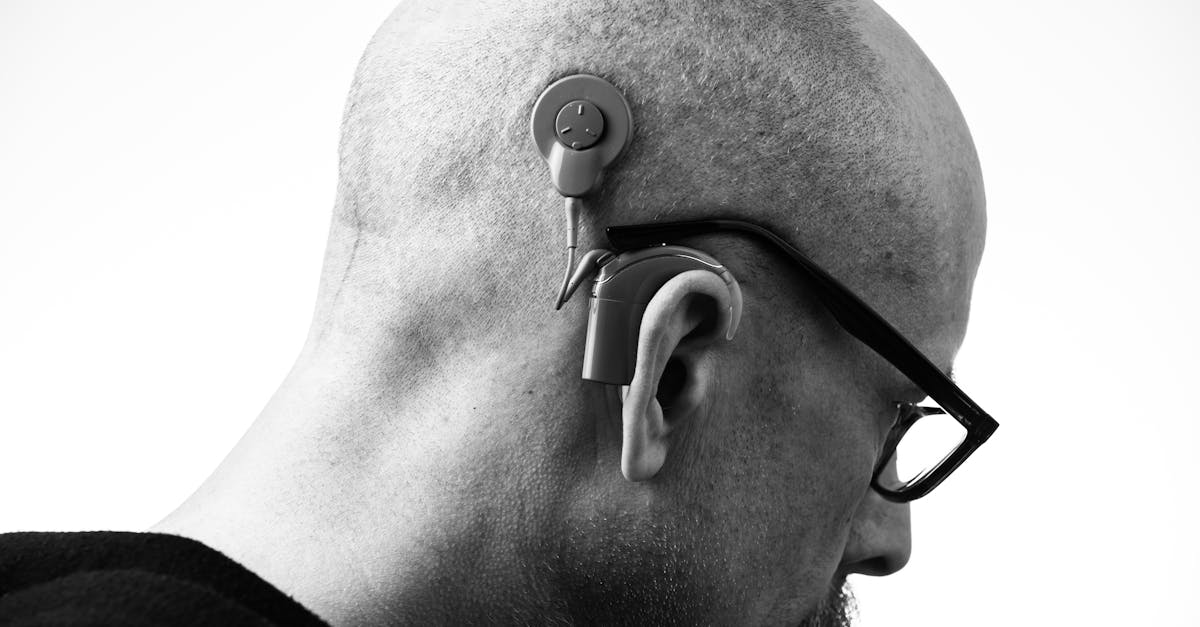
With a plethora of options available, choosing the right hearing aid can be overwhelming. Audiologists help navigate through this sea of choices, discussing the features, aesthetics, and budget considerations. Whether it’s a sleek behind-the-ear device or a discreet invisible option, there's something for everyone.
Advertisement
Custom-Molding and Fitting
Getting a hearing aid that feels part of you requires custom molding. The process involves crafting an ear mold from your ear canal or preparing a dome that fits your ear. This ensures maximum comfort and sound quality. Think of it like fitting a glove – it must be snug yet cozy, providing optimal sound performance.
Advertisement
Interpreting Your Audiogram
An important component of the fitting process is decoding the audiogram. The audiologist will guide you through the intricacies of this chart, helping you understand where your hearing strengths and weaknesses lie. This knowledge is pivotal in empowering you to make informed decisions about your auditory health.
Advertisement
Initial Fitting and Sound Adjustment
During the initial fitting, the hearing aid is finely tuned, transforming the way your surroundings sound. You'll experience a calibrated soundscape where the high-pitched notes of a bird or the rustle of leaves become clearer. This fine-tuning requires patience and might need further tweaks to align with your sound preferences.
Advertisement
Training and Adaptation Period
Transitioning with your new device, a trial phase ensures you adapt seamlessly. The audiologist provides comprehensive training on device adjustments, cleaning tips, and proper storage. They also offer guidance on distinguishing new sounds, fostering skillful utilization of your hearing aid. Patience and perseverance during this period lead to rewarding auditory experiences.
Advertisement
Fine-Tuning and Follow-Up
To ensure continued satisfaction with your hearing aid, regular follow-ups are paramount. The audiologist will revisit the settings, make necessary adjustments, and address any concerns. These check-ins help maintain the device's performance, adapting it to any changes in your hearing or lifestyle.
Advertisement
Conclusion
Embarking on the hearing aid fitting process is a personalized journey, highlighting the significance of professional guidance. Through evaluation, customization, and regular tuning, these devices evolve into an extension of your auditory senses. By embracing every stage - from audiogram understanding to the final fitting - you step into a clearer, enriched sound world.
Advertisement