Understanding Dental Implant Costs: Your Best Options
Introduction
Dental implant costs can seem daunting, but understanding the factors involved makes decisions easier. From materials to procedures, various elements shape the final bill. There’s no one-size-fits-all solution, but discerning the options helps ensure you get the best value.
Advertisement
Factors Influencing Implant Costs
The cost of dental implants encompasses several components, including the dentist's expertise, the type of materials used, and pre-op scans or procedures. A skilled dentist may charge more, but expertise often ensures better outcomes. Moreover, materials range from titanium to zirconia, each impacting durability and price.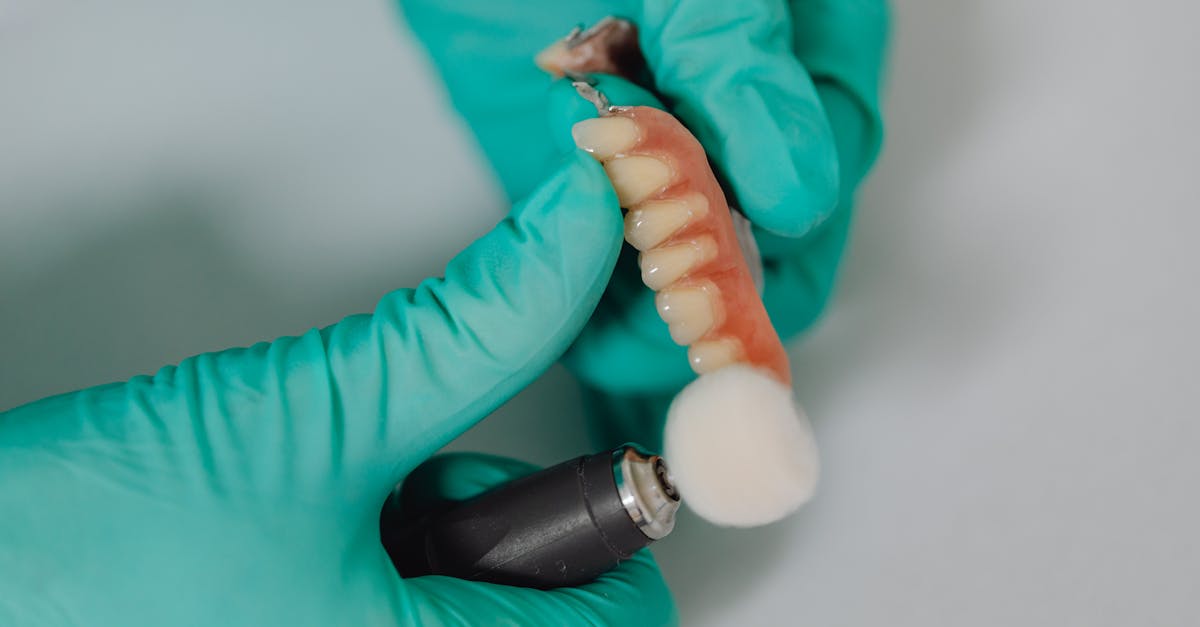
Advertisement
The Role of Location in Costs
Geography plays a significant role in dental implant costs, with urban areas often demanding higher fees. This discrepancy can result from higher operational costs in cities or competitive pricing in rural areas. It's worth considering travel to a neighboring city if the price difference is substantial.
Advertisement
Comparing Materials: Titanium vs. Zirconia
Titanium has long been the gold standard for dental implants due to its durability and biocompatibility. However, zirconia offers an aesthetic advantage due to its tooth-colored appearance. While generally more expensive, zirconia might appeal to those seeking a natural look, especially for visible teeth.
Advertisement
Full vs. Mini Implants: Weighing Your Options
Full implants are generally more expensive than minis, but they provide a more stable and long-term solution. Mini implants, often used when bone density is insufficient, can result in a quicker procedure with less discomfort. Both options have their merits, and discussing them with your dentist is crucial.
Advertisement
Insurance and Financing Plans
While dental insurance often covers check-ups and fillings, it may not include implants. Fortunately, many practices offer financing plans to ease the burden. Exploring options like third-party financing can alleviate upfront pressures, making it possible to afford quality care over time.
Advertisement
Considering Your Long-Term Investment
Though dental implants might seem steep initially, considering the long-term benefits is crucial. Unlike dentures, implants are a lasting solution, often enduring a lifetime with proper care. Their investment in oral health and quality of life might outweigh the higher initial outlay.
Advertisement
Conclusion
Navigating dental implant cost options requires careful consideration of materials, location, and financing. Full and mini implants each harbor distinct advantages, influenced further by geographic cost variations. By understanding the factors at play, patients can make informed decisions that balance budget, aesthetics, and longevity. This insight ensures a personalized approach to restoring smiles, without compromising on quality or long-term satisfaction.
Advertisement