How Mobile Wallets Are Changing Everyday Payments Today
A quieter revolution in the checkout line
Paying for coffee once required a wallet full of cards and coins. Now, a phone can hold credentials, confirm identity, and send money in seconds. Digital Wallets Mobile Payment Trends are reshaping checkout habits, merchant strategies, and the quiet economics of everyday transactions around the world.
Advertisement
From novelty to normal behavior
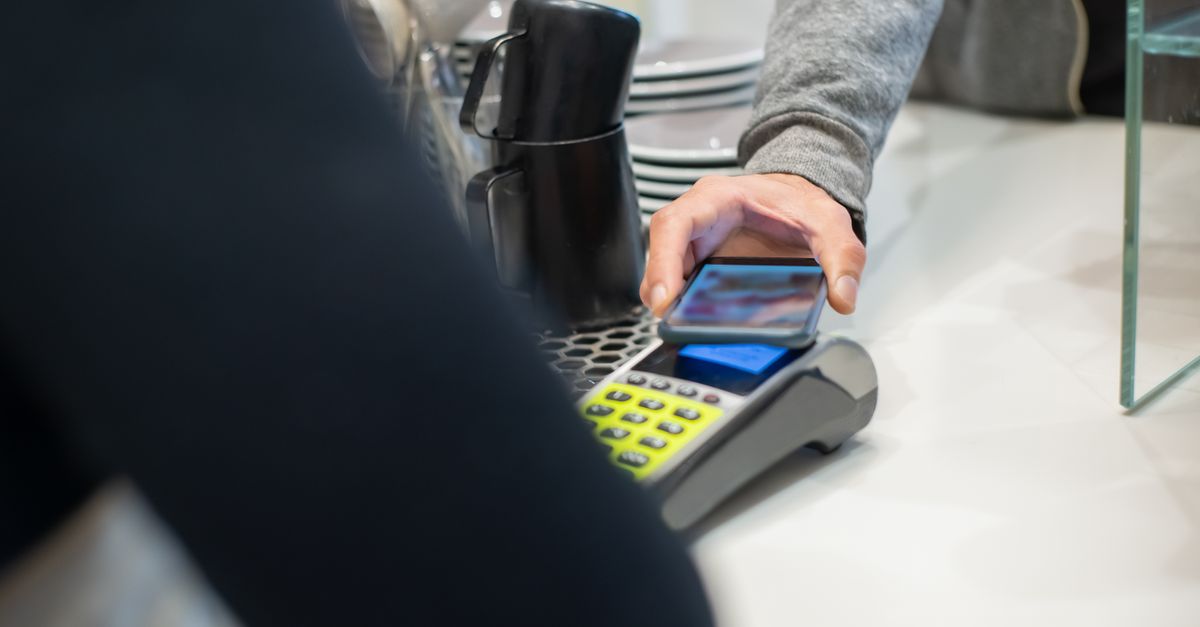
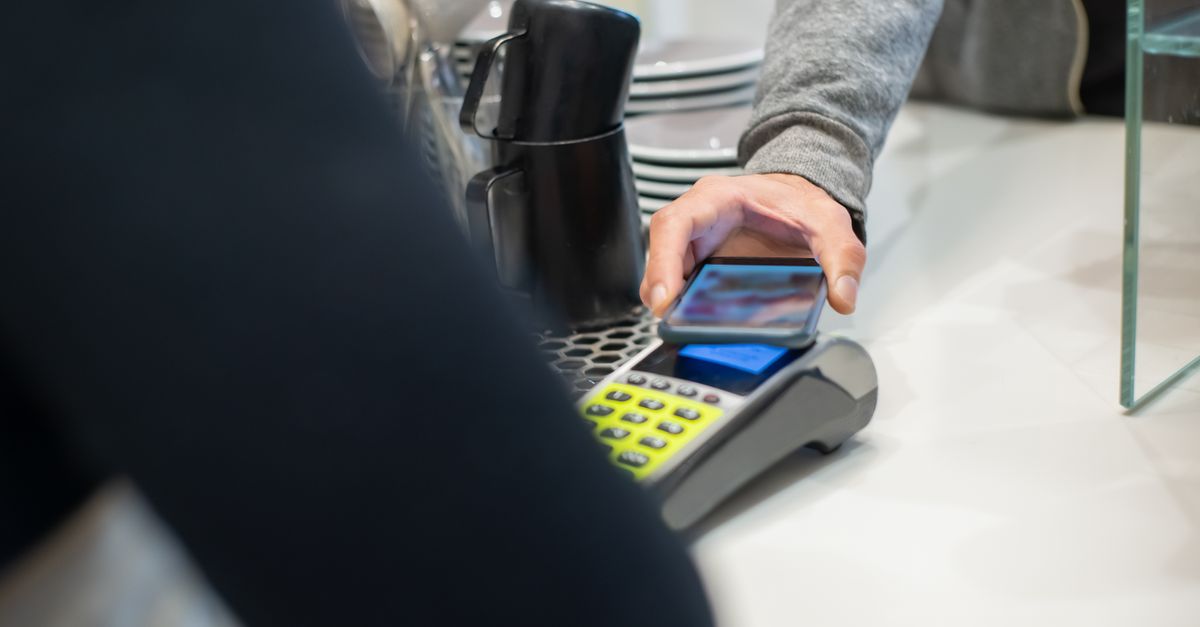
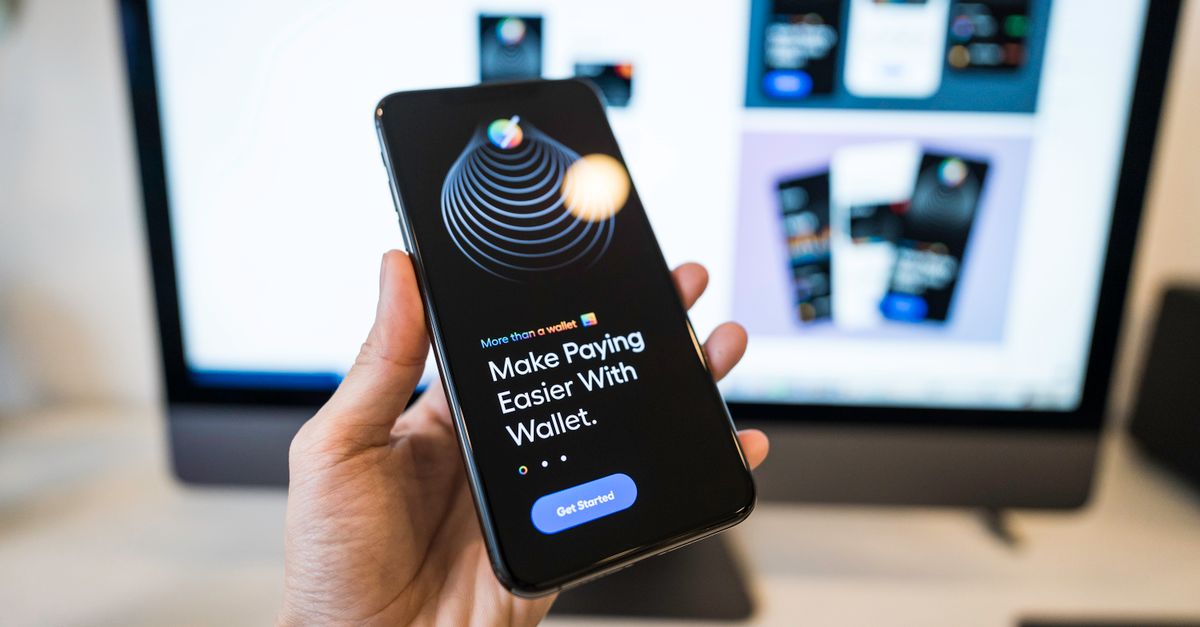
Digital Wallets Mobile Payment Trends have moved far beyond the early image of tech enthusiasts waving phones at unfamiliar terminals. Contactless payment is now routine in supermarkets, transit systems, restaurants, and online shops. Consumers appreciate the speed, but convenience is only part of the appeal. A mobile wallet can store payment cards, loyalty credentials, tickets, identification documents, and gift cards in one familiar device. That consolidation reduces the number of objects people must carry and remember. It also makes payment feel less like a separate task and more like a natural extension of using a smartphone. In practical terms, the wallet has not disappeared; it has simply learned to live behind a screen.
Advertisement
Why consumers are embracing the change
Several forces explain the popularity of Digital Wallets Mobile Payment Trends. First, phones are almost always within reach, while a physical card can be misplaced, forgotten, or damaged. Second, mobile checkout is often faster because biometric authentication, such as a fingerprint or facial scan, can replace entering a PIN. Third, digital receipts and transaction alerts give users an immediate record of spending. These small advantages add up, especially for frequent, low-value purchases. Younger customers often expect seamless digital services, while older users may adopt wallets when they see relatives, retailers, or banks using them confidently. Familiarity spreads socially, and payment habits can change surprisingly quickly once a service becomes ordinary.
Advertisement
Security is built into the experience
Security is one of the strongest arguments behind Digital Wallets Mobile Payment Trends, although it is also the area that requires the most public education. Many mobile wallets use tokenization, which replaces a card number with a temporary digital token during a transaction. Retailers therefore may not receive the underlying account details. Device locks, biometric checks, encryption, and the ability to disable a lost phone add further layers of protection. No payment system is magically invulnerable, however. Phishing messages, weak passwords, fraudulent apps, and social engineering can still trick users. The safest approach combines the wallet’s built-in safeguards with sensible habits: install official apps, update devices, check alerts, and avoid sharing verification codes.
Advertisement
Merchants see more than faster payments
For businesses, Digital Wallets Mobile Payment Trends are not merely about replacing cash registers with sleek terminals. Digital payments can shorten queues, reduce cash-handling costs, and simplify reconciliation. They can also connect the transaction to loyalty programs, digital receipts, coupons, and personalized offers. A restaurant might allow customers to order and pay from a table, while a retailer can link a purchase to an online account without asking for extensive paperwork. These capabilities generate useful operational data, though responsible companies must handle it transparently. Customers increasingly expect clear explanations about what information is collected and why. Convenience may open the door, but trust determines whether people keep walking through it.
Advertisement
The rise of embedded and invisible payments
Another important feature of Digital Wallets Mobile Payment Trends is the movement toward embedded payments. Instead of opening a dedicated wallet, users may pay inside a transport app, food-delivery service, social platform, or smart vehicle. Subscription billing, one-click checkout, and account-based travel systems make the payment process almost invisible. This can remove friction, but it also creates a design challenge: a payment should be easy without becoming mysterious. Users need clear prices, confirmation screens, cancellation options, and accessible records. When the interface hides too much, accidental purchases and unwanted subscriptions become more likely. The best experiences feel effortless while still giving people meaningful control.
Advertisement
A global market with local differences
Digital Wallets Mobile Payment Trends do not look identical in every market. In some countries, wallets grew because card networks were already widespread; in others, mobile payments helped people leap directly from cash to digital finance. Local banking systems, regulations, internet access, merchant equipment, and cultural preferences all influence adoption. Peer-to-peer transfers may dominate in one region, while transit payments or online shopping lead in another. Super apps combine messaging, shopping, banking, and payments under one roof in certain economies, whereas consumers elsewhere prefer separate specialist services. This variety matters because there is no single worldwide wallet model. Successful providers adapt to local needs rather than assuming that one interface fits everyone.
Advertisement
The next phase: smarter, not simply faster
The next phase of mobile payments will likely focus less on novelty and more on intelligence, interoperability, and inclusion. Wallets may combine digital identity, travel documents, event tickets, payment cards, and real-time financial guidance. Artificial intelligence could help categorize spending or detect suspicious activity, provided companies explain how those systems work and protect personal data. Wider acceptance of account-to-account payments may reduce dependence on traditional card rails, while wearable devices and connected appliances could make checkout even more ambient. At the same time, physical alternatives must remain available for people without modern smartphones, reliable connectivity, or compatible bank accounts. Progress is strongest when convenience expands access rather than quietly excluding anyone.
Advertisement
The practical outlook for shoppers and businesses
For shoppers, the sensible approach is selective adoption. Use a reputable wallet, enable device security, review transaction notifications, and keep a backup payment method for dead batteries or technical failures. For businesses, success requires more than placing a contactless symbol beside a register. Companies should test the checkout experience, support multiple payment methods, explain data practices, and train staff to resolve failed or disputed transactions. They should also measure whether digital features genuinely improve service rather than adding decorative complexity. The winning payment systems will be those that save time, reduce anxiety, and work reliably in ordinary situations—not just during polished product demonstrations.
Advertisement
Conclusion
Mobile wallets are changing payments by combining convenience, security features, loyalty tools, and financial services in one device. Their growth is shaped by local infrastructure, consumer trust, merchant investment, and thoughtful regulation. The future will bring more embedded and intelligent transactions, but simplicity and user control will remain essential. In the end, the best payment technology is the kind people barely notice because it works exactly when needed.
Advertisement