How Digital Wallets Are Changing Mobile Payment Use
A New Way to Carry Money
Paying for coffee, splitting rent, or subscribing to a favorite service once meant reaching for cash, a card, or a keyboard. Today, a phone can handle all three in seconds. This shift is not merely about convenience; it reflects a broader redesign of money, commerce, identity, and trust in everyday life.
Advertisement
From Plastic Cards to Pocket Platforms
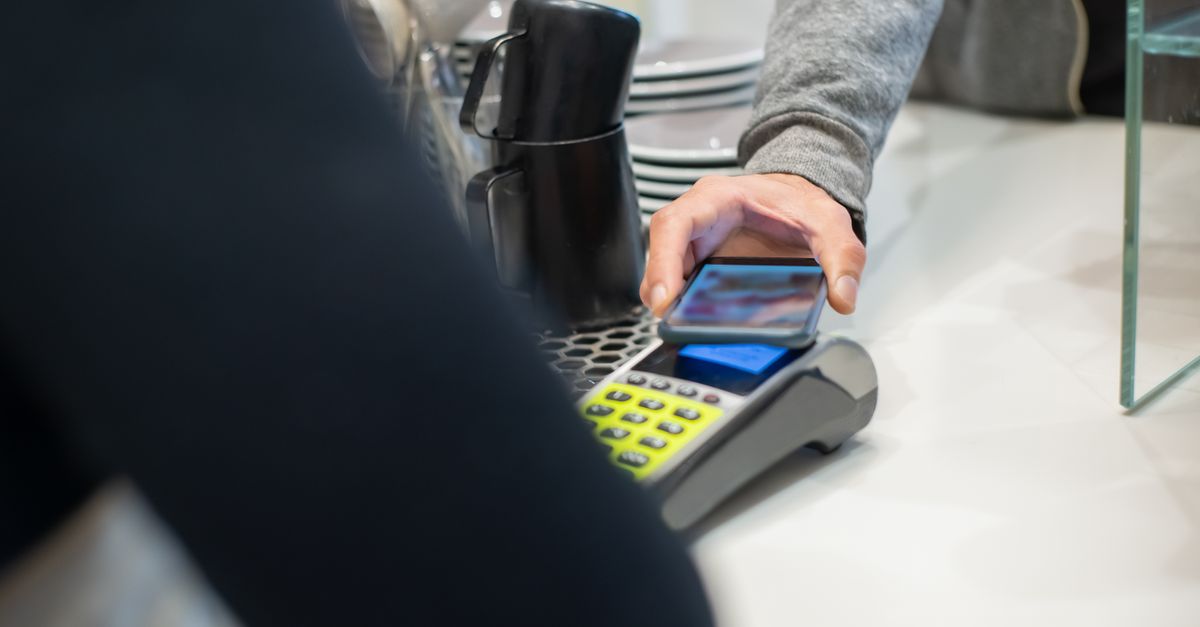
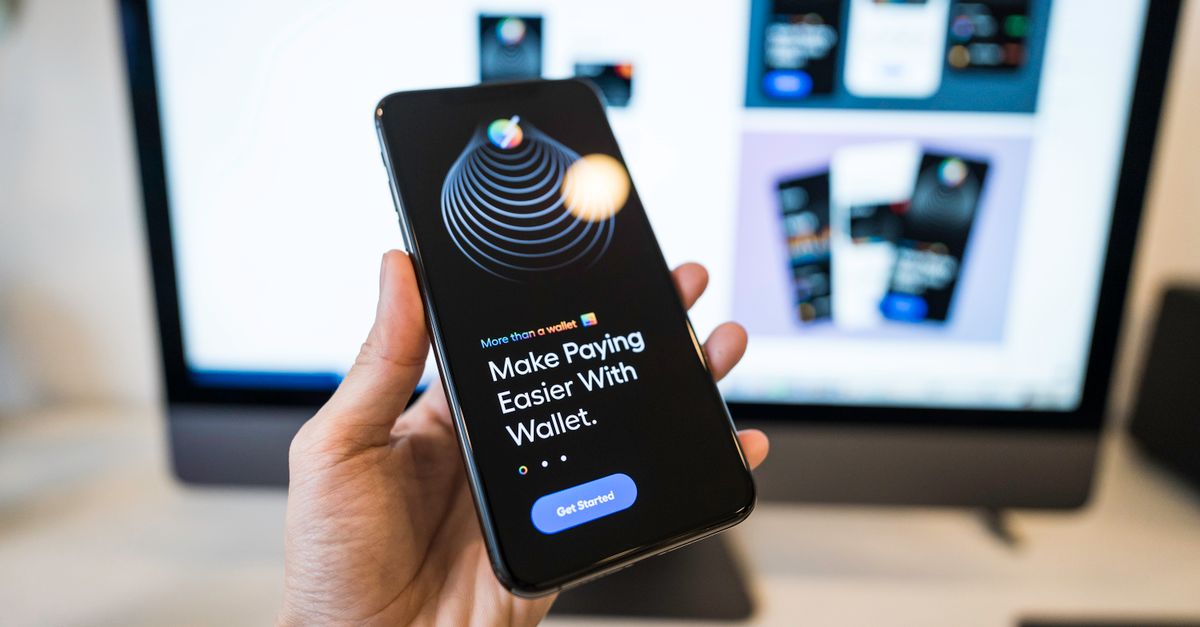
Digital Wallets And Mobile Payment Innovation began with a fairly simple idea: store a payment card securely on a phone and use the device at a checkout terminal. That basic function has expanded rapidly. Modern wallets can hold bank cards, loyalty memberships, tickets, transit passes, gift cards, identification documents, and even digital keys. The smartphone has become less like a telephone with payment features and more like a compact personal finance platform. Behind the scenes, payment networks, banks, phone manufacturers, retailers, and software companies work together to make a tap feel effortless. The customer sees only a brief vibration and a confirmation mark; a surprisingly busy chain of authentication and settlement has just taken place.
Advertisement
The Technology Behind the Tap
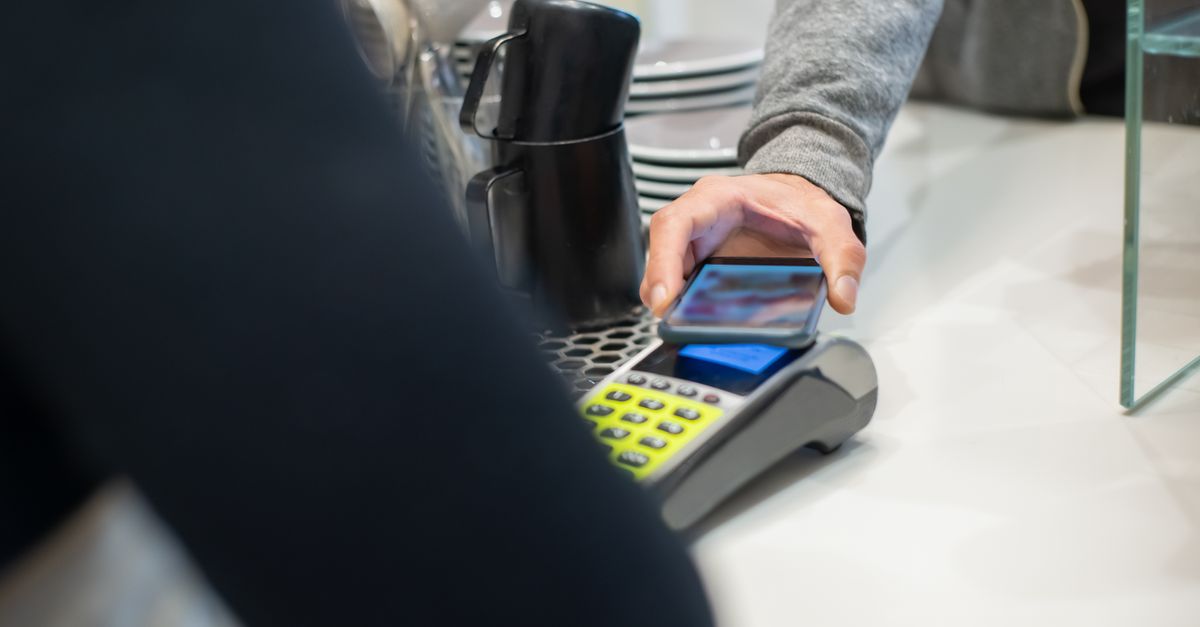
Digital Wallets And Mobile Payment Innovation depends on several technologies working in concert. Near-field communication, commonly called NFC, allows a phone or smartwatch to exchange data with a compatible terminal over a very short distance. Tokenization replaces the actual card number with a unique substitute, so merchants generally do not receive the underlying account details. Biometric checks, device passwords, encryption, and secure hardware add further layers of protection. Online payments use related tools, including one-time codes, saved credentials, and browser-based authentication. None of these systems is magical, and no payment method is completely risk-free, but the architecture is designed to limit the value of stolen information. A criminal who obtains a token may find it useless outside its intended device, merchant, or transaction context.
Advertisement
Convenience That Changes Behavior
Digital Wallets And Mobile Payment Innovation has changed what people expect from checkout. A customer can pay without opening a purse, remembering a PIN, or searching for loose change. Friends can divide a restaurant bill while still at the table, and small businesses can accept payments using a phone rather than an expensive terminal. Recurring payments also become easier to manage, although that convenience can make forgotten subscriptions harder to notice. The speed of contactless payment encourages shorter queues and smoother transport systems. It may even alter spending habits: tapping a screen can feel less tangible than handing over cash, which makes budgeting tools and spending alerts particularly valuable.
Advertisement
Security Is a Feature, Not a Footnote
Digital Wallets And Mobile Payment Innovation offers strong protections, but users still need sensible habits. A screen lock, updated operating system, and device-finding service can make a major difference if a phone disappears. People should be wary of convincing messages that request login codes or direct them to unfamiliar payment pages. Fraudsters often target the person rather than the technology, using urgency and persuasion to bypass carefully engineered safeguards. Banks and wallet providers increasingly use behavioral analysis to identify unusual purchases, unfamiliar locations, or suspicious device activity. These systems can reduce fraud, though they sometimes block legitimate transactions and create an irritating question: was that really you buying three cakes at midnight?
Advertisement
Access, Inclusion, and the Digital Divide
Digital Wallets And Mobile Payment Innovation can broaden access to commerce, particularly for people who do not regularly carry cash or traditional cards. Small merchants may accept payments with modest equipment, while migrants, travelers, and remote workers can benefit from faster transfers across borders. However, a phone-based economy can also exclude people without reliable internet, modern devices, bank accounts, or confidence with digital tools. Older adults and people with disabilities may encounter poorly designed interfaces. A genuinely inclusive payment system therefore needs accessible software, affordable connectivity, offline options, customer support, and non-digital alternatives. Convenience should expand choice, not quietly turn one method of payment into the only method available.
Advertisement
Why Businesses Are Paying Attention
Digital Wallets And Mobile Payment Innovation is attractive to businesses because it connects payment with the wider customer experience. A retailer can combine checkout, rewards, receipts, promotions, delivery updates, and customer service in one application. Faster transactions may improve throughput, especially in busy shops, stadiums, and transit networks. Digital receipts can reduce paper use, while transaction data can help companies understand purchasing patterns. Yet data is not automatically wisdom. Businesses must explain what they collect, limit unnecessary tracking, protect customer information, and avoid turning every purchase into an excuse for another notification. A frictionless checkout should not become a frictionless path to surveillance.
Advertisement
The Role of Regulation and Trust
Digital Wallets And Mobile Payment Innovation is developing within a complicated landscape of financial rules, privacy expectations, and competition policies. Regulators must consider consumer protection, fraud reimbursement, data portability, interoperability, and the responsibilities of companies that are not traditional banks. Clear standards can encourage innovation while preventing dominant platforms from locking merchants and customers into closed systems. Trust also depends on transparency. Users should understand fees, dispute procedures, data practices, and what happens when a device is lost or an account is compromised. The technical experience may be quick, but confidence takes longer to build and can vanish after one confusing charge or unresolved support request.
Advertisement
What Comes Next
The next stage of Digital Wallets And Mobile Payment Innovation will likely blend payments with identity, transportation, commerce, and financial management. Wearable devices may make authentication nearly invisible, while artificial intelligence could improve fraud detection and personalize budgeting guidance. Account-to-account payments may reduce reliance on card networks in some markets, and central bank digital currencies could introduce new public payment infrastructure, depending on local policy. Retailers may experiment with checkout-free stores, programmable offers, and payments triggered by connected vehicles or household devices. The challenge will be keeping these experiences understandable. The best innovation is not the one with the most futuristic features; it is the one that solves a real problem without creating three new ones.
Advertisement
The Bigger Picture
Digital Wallets And Mobile Payment Innovation is ultimately about more than tapping a phone at a terminal. It is changing how people prove who they are, move money, interact with businesses, and manage daily spending. Its benefits include speed, portability, stronger transaction controls, and new opportunities for smaller merchants. Its risks include exclusion, fraud, excessive data collection, and overdependence on devices or platforms. The future of payments will be shaped not only by engineers, but also by consumers, regulators, banks, retailers, and communities demanding systems that are secure, transparent, and genuinely useful. Money may be becoming less visible, but the choices surrounding it matter more than ever.
Advertisement