How Digital Wallets Are Changing Everyday Finances
A Pocket-Sized Shift in Money
Money now travels through phones as easily as messages, but convenient taps hide a complicated financial ecosystem. Mobile Payment Digital Wallet Finance Insights helps explain how wallets work, why businesses embrace them, where fees and security risks appear, and how changing habits are reshaping everyday spending without turning a checkout into a technology exam.
Advertisement
What a Digital Wallet Actually Does
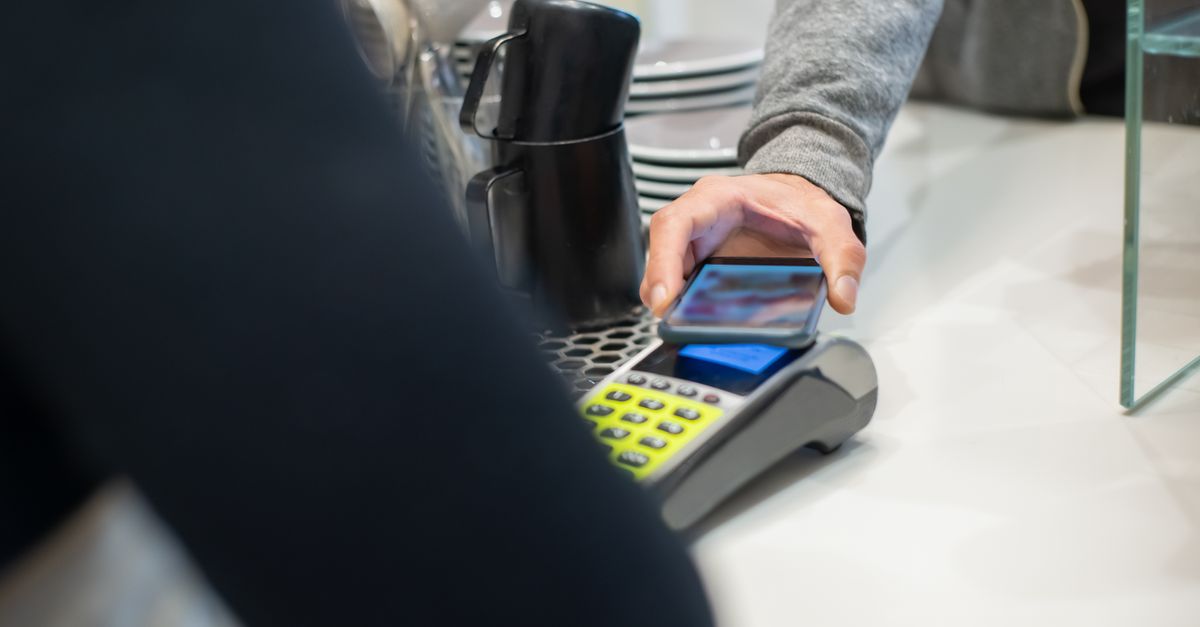
At its simplest, a digital wallet stores payment credentials securely on a smartphone, smartwatch, or similar device. It may hold debit and credit cards, loyalty cards, tickets, identification documents, or funds in a dedicated balance. Mobile Payment Digital Wallet Finance Insights begins with an important distinction: the wallet is usually not the money itself. Instead, it is a controlled doorway to a bank account, card network, or payment service. When a shopper taps a device, the wallet sends a token or encrypted payment reference rather than exposing the full card number to the merchant.
Advertisement
Why Consumers Find Them So Convenient
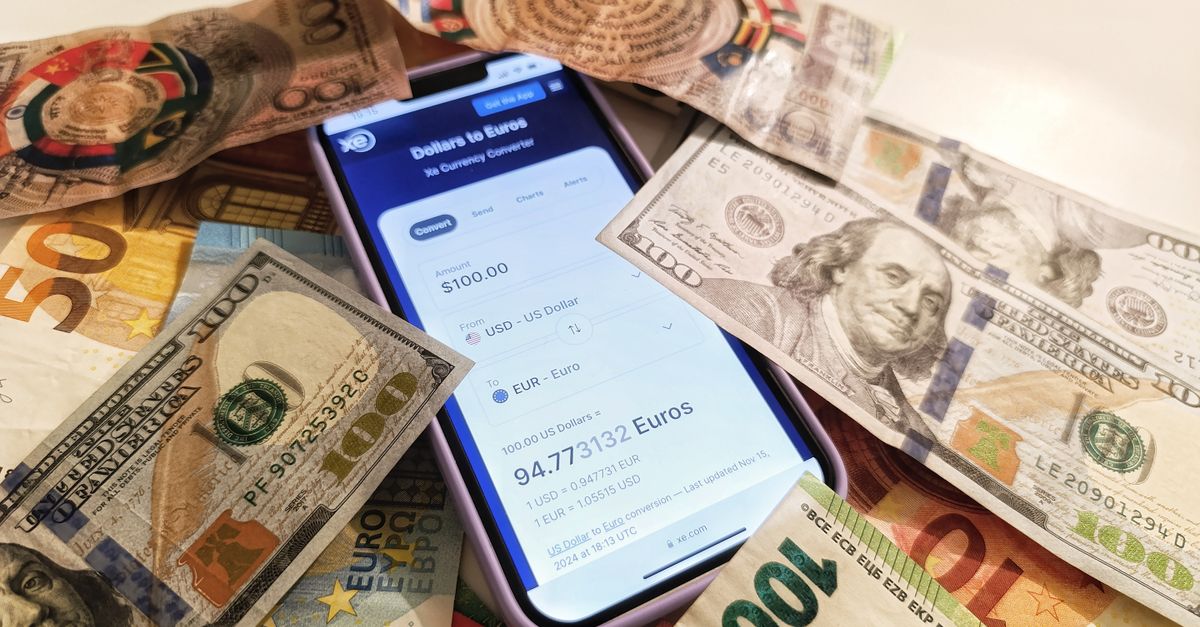
Convenience is the leading reason people adopt digital wallets. A phone is already in a pocket, and paying can take less time than searching for a physical card. Mobile Payment Digital Wallet Finance Insights also highlights useful extras, including transaction notifications, spending records, automatic loyalty rewards, and the ability to freeze a card quickly. Online shoppers benefit from stored delivery details and faster checkout, while travelers may appreciate support for several currencies or transport passes. The small reduction in friction can add up, although friction is not always the villain: a moment of confirmation can prevent an accidental purchase.
Advertisement
The Business Case for Going Cashless
For merchants, digital payments can improve speed at busy tills, reduce cash-handling work, and make online purchasing more seamless. Mobile Payment Digital Wallet Finance Insights shows why retailers, restaurants, transit systems, and independent sellers continue to invest in acceptance technology. Digital receipts and transaction data can help businesses understand demand, provided they handle customer information responsibly. Wallet payments may also support targeted loyalty programs and smoother refunds. However, merchants typically pay processing fees, equipment costs, and integration expenses, so the business case depends on transaction volume, customer expectations, and the reliability of the payment system.
Advertisement
Security Is Strong, Not Magical
A well-designed wallet can be safer than carrying several physical cards, thanks to device passwords, biometric checks, encryption, and tokenization. Still, Mobile Payment Digital Wallet Finance Insights should never be read as a promise of perfect protection. A stolen unlocked phone, a compromised account, or a convincing phishing message can create trouble. Users should enable screen locks and multifactor authentication, install updates, review account alerts, and avoid entering credentials through unfamiliar links. If a device disappears, remote-locking and account-freezing tools can limit damage. Technology lowers risk; it does not repeal common sense.
Advertisement
Fees, Rewards, and the Fine Print
Digital wallets often appear free to consumers, but money can change hands behind the scenes. Card issuers, payment networks, wallet providers, and merchants may each have commercial arrangements that influence costs. Mobile Payment Digital Wallet Finance Insights encourages a closer look at foreign-exchange charges, cash withdrawal fees, transfer limits, subscription conditions, and reward expiration dates. Promotional cashback can be useful, but it should not persuade anyone to spend more than planned. A reward worth five dollars is still a poor bargain if it requires buying thirty dollars of unnecessary items—mathematics remains stubbornly unimpressed by marketing.
Advertisement
Privacy and the Data Trail
Every digital transaction can create records about timing, location, merchant type, and purchasing patterns. Mobile Payment Digital Wallet Finance Insights therefore includes privacy as a financial issue, not merely a technical footnote. Providers may use data to prevent fraud, personalize offers, improve services, or satisfy regulatory requirements. Consumers should examine permission settings, understand which services receive transaction information, and remove unused accounts or cards. Businesses, meanwhile, should collect only what they need, protect it carefully, and communicate their policies in plain language. Convenience is valuable, but it should not quietly become unlimited surveillance.
Advertisement
Access, Reliability, and Inclusion
The spread of digital wallets brings practical challenges. Not everyone owns a modern smartphone, has dependable internet access, or feels comfortable managing apps and passwords. A wallet may also fail because of a dead battery, a software problem, poor connectivity, or an incompatible payment terminal. Cash and physical cards therefore remain important alternatives, especially for people who need resilience or have limited access to digital services. Inclusive payment systems should offer clear support, accessible interfaces, and more than one way to pay. A future that requires a charged battery for a sandwich is not quite as futuristic as it sounds.
Advertisement
The Wider Financial Picture
Digital wallets are becoming more than electronic card holders. They increasingly connect payments with person-to-person transfers, budgeting tools, digital banking, transit access, shopping platforms, and small-business services. This convergence can make financial tasks faster and more visible, but it can also concentrate influence among a small number of technology and financial companies. Consumers may gain useful choice while becoming more dependent on closed ecosystems. Healthy competition, transparent pricing, strong security standards, and easy account portability can help ensure that innovation serves users rather than trapping them inside one convenient but restrictive platform.
Advertisement
Making Sensible Everyday Choices
A practical approach starts with matching the wallet to genuine needs rather than collecting every available feature. Compare supported cards, fees, privacy controls, rewards, device compatibility, and customer support before committing. Keep backup payment methods available, check statements regularly, and treat unexpected payment messages with suspicion. Businesses can take a similar approach by evaluating total costs, accessibility, settlement times, security responsibilities, and customer demand. The best payment system is not necessarily the newest one; it is the one that works reliably, protects information, and makes spending clearer instead of merely faster.
Advertisement
The Bottom Line
Digital wallets have transformed payment from a physical exchange into a software-enabled service built around speed, security, and data. They offer real benefits for consumers and businesses, but fees, privacy, access, and reliability deserve equal attention. Used thoughtfully, they can simplify daily finance without making people surrender judgment at the checkout.
Advertisement