How Mobile Money Is Reshaping Everyday Personal Finance
A New Financial Habit
Digital wallets and mobile payments are changing how people store, send, and spend money. What began as a convenient alternative to cash is becoming financial infrastructure, linking shoppers, banks, businesses, and public services through smartphones. The shift promises speed and inclusion, but it also raises important questions about security, privacy, and control.
Advertisement
From Convenience to Infrastructure
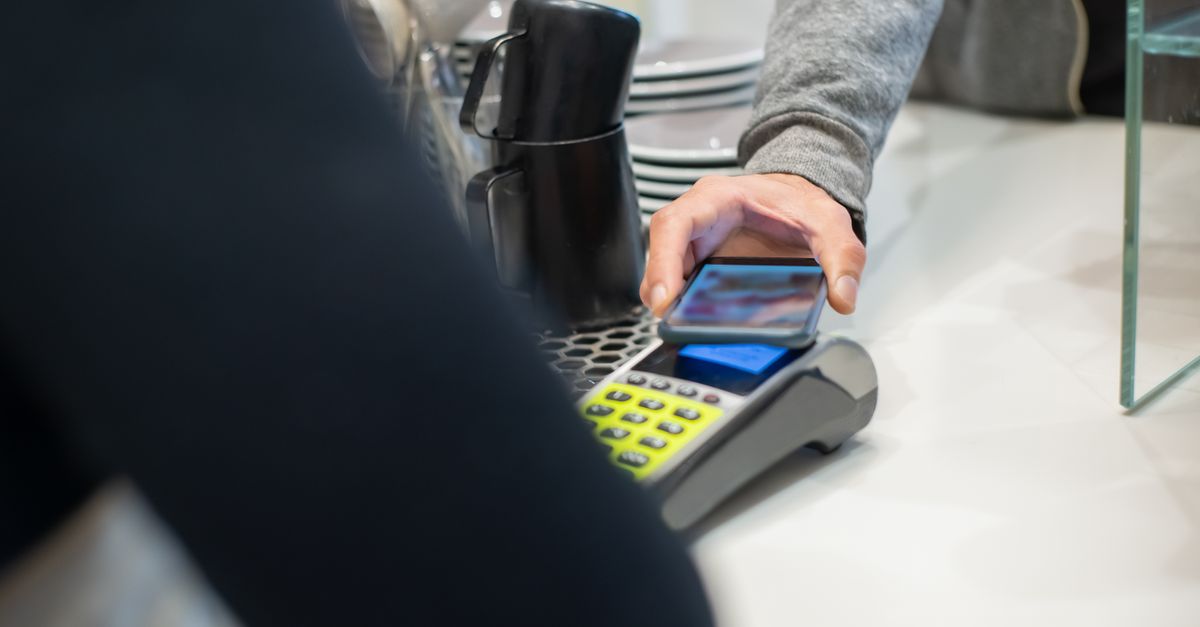
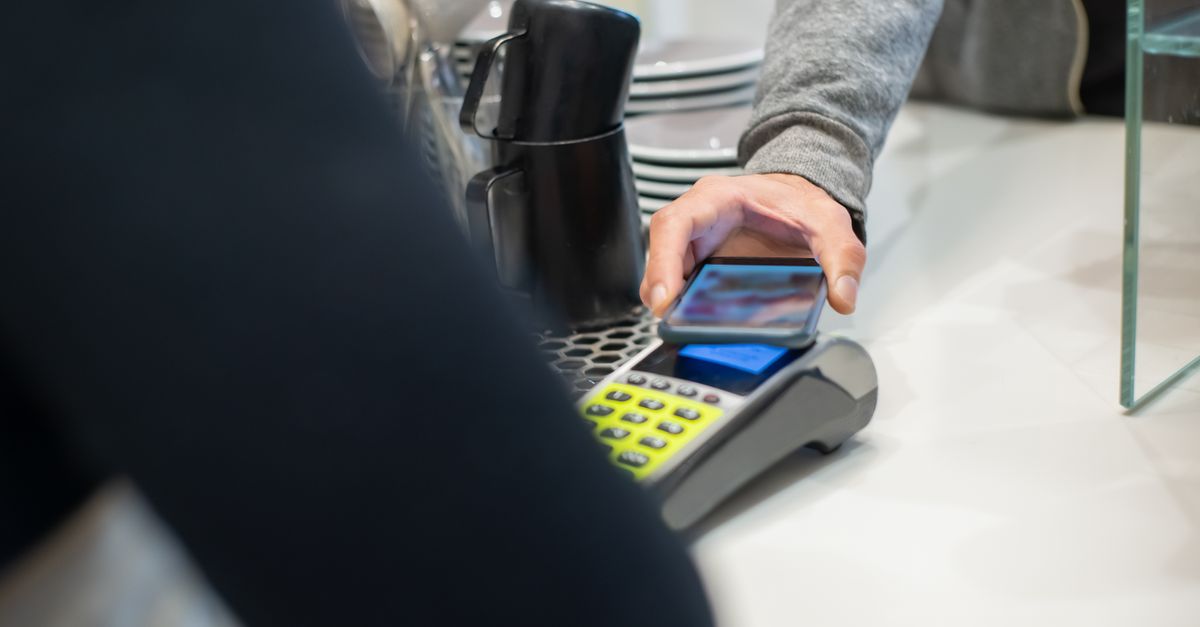
The rise of Digital Wallets And Mobile Payments The Next Financial Shift reflects a broader change in financial behavior. People increasingly expect transactions to happen instantly, whether they are buying coffee, splitting a restaurant bill, paying a utility account, or sending money across borders. A phone has become a pocket-sized financial counter, minus the queue and the mysteriously slow printer. This convenience is especially powerful in places where traditional banking services are expensive, distant, or difficult to access. Instead of visiting a branch, users can open accounts, receive payments, and manage everyday spending from a connected device.
Advertisement
How the Technology Works
At its core, Digital Wallets And Mobile Payments The Next Financial Shift relies on software that stores payment credentials or connects users to bank accounts and card networks. Near-field communication allows a phone or smartwatch to communicate with a payment terminal at close range, while QR codes let customers scan or display information during a transaction. Behind the scenes, tokenization replaces sensitive card details with temporary digital tokens. Biometric checks, passwords, device authentication, and one-time codes add further layers of protection. The experience feels simple because the complicated work is handled quietly by payment networks, banks, technology companies, and merchants.
Advertisement
The Consumer Experience
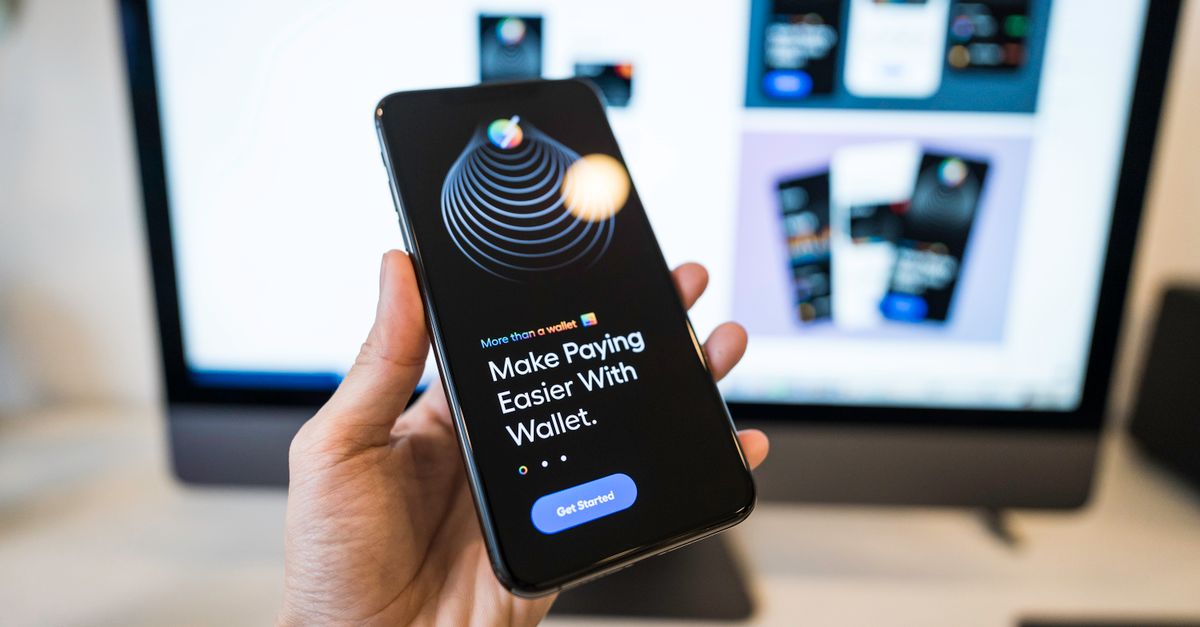
For consumers, Digital Wallets And Mobile Payments The Next Financial Shift offers speed, organization, and flexibility. A single application may hold payment cards, loyalty credentials, boarding passes, transit tickets, identity documents, and money-transfer tools. Digital receipts can make spending easier to track, and automated alerts can warn users when a transaction occurs. Peer-to-peer payments also remove much of the awkward arithmetic involved in shared expenses. However, convenience can encourage impulse spending. Tapping a screen feels less tangible than handing over cash, so budgeting tools and spending awareness remain important even when the payment process takes only a second.
Advertisement
Benefits for Businesses
For merchants, Digital Wallets And Mobile Payments The Next Financial Shift can reduce friction at checkout and create new opportunities for customer engagement. Faster transactions may shorten queues, while digital records can simplify reconciliation and accounting. Small businesses can accept payments without investing in traditional point-of-sale equipment, using inexpensive mobile readers or QR systems instead. Online retailers benefit from stored payment details and one-click checkout, although convenience must be balanced against fraud prevention. Businesses can also use transaction data to understand purchasing patterns, but responsible companies must avoid turning every customer interaction into an uncomfortable surveillance exercise.
Advertisement
Financial Inclusion and Access
The broader significance of Digital Wallets And Mobile Payments The Next Financial Shift lies in its potential to expand financial access. In regions with limited bank branches, mobile systems can connect workers, families, and merchants to formal payment networks. Governments can distribute benefits more efficiently, employers can pay workers electronically, and individuals can build transaction histories that may support future access to financial products. Yet access is not automatic. Reliable internet, affordable smartphones, digital literacy, and identification requirements can still exclude vulnerable groups. A cashless future must therefore remain practical for people with older devices, irregular connectivity, or limited technical confidence.
Advertisement
Risks Behind the Convenience
Yet Digital Wallets And Mobile Payments The Next Financial Shift introduces risks that deserve serious attention. A stolen phone, compromised password, malicious application, or fraudulent message can expose accounts if protections are weak. Outages can also interrupt essential payments, reminding everyone that digital infrastructure is powerful but not magical. Privacy is another concern: transaction records can reveal where people shop, travel, work, and socialize. Strong encryption, clear consent rules, fraud monitoring, and accessible customer support are necessary safeguards. Users also need basic habits, such as updating devices, avoiding suspicious links, and enabling multifactor authentication.
Advertisement
Competition and Regulation
The financial industry is becoming more competitive as banks, technology firms, telecom companies, retailers, and payment specialists develop their own platforms. This competition can improve services and lower costs, but it may also create closed ecosystems in which users struggle to move money between providers. Interoperability—the ability of different systems to communicate—will be crucial. Regulation must address consumer protection, data ownership, cybersecurity, competition, and the treatment of people who still rely on cash. Policymakers face a delicate balancing act: encouraging innovation without allowing convenience to become an excuse for weak oversight.
Advertisement
What Comes Next
The next stage will likely blend payments with broader digital services. Wearable devices, connected vehicles, voice assistants, and automated subscriptions may make transactions increasingly invisible. Artificial intelligence could help detect fraud, personalize financial guidance, and identify unusual spending patterns, though these systems must be transparent and carefully governed. Cross-border payments may become faster as countries improve digital identity systems and financial connections. Central bank digital currencies may also enter the conversation, potentially reshaping the relationship between public money, private platforms, and commercial banks. The future will not be entirely cashless, but it may be far less dependent on physical wallets.
Advertisement
A Shift Worth Managing Carefully
The movement toward smartphone-based finance is not simply about replacing coins, notes, or plastic cards. It represents a redesign of the relationship between people and money, making transactions faster, more connected, and increasingly data-driven. Its success will depend on trust as much as technical performance. If security, inclusion, privacy, and competition receive equal attention, digital finance can become more useful without becoming more intrusive. The most important shift may be cultural: money is becoming less a physical object and more a service that follows people wherever they go.
Advertisement