Building Trust in Mobile Payments and Digital Wallets
Why Trust Matters
Digital Wallet Security And Trust In Mobile Payments has become central to everyday commerce, as phones increasingly replace cards and cash. Yet convenience only earns lasting confidence when users understand how transactions are protected, where risks remain, and which habits make safer digital spending choices.
Advertisement
The Security Behind a Tap
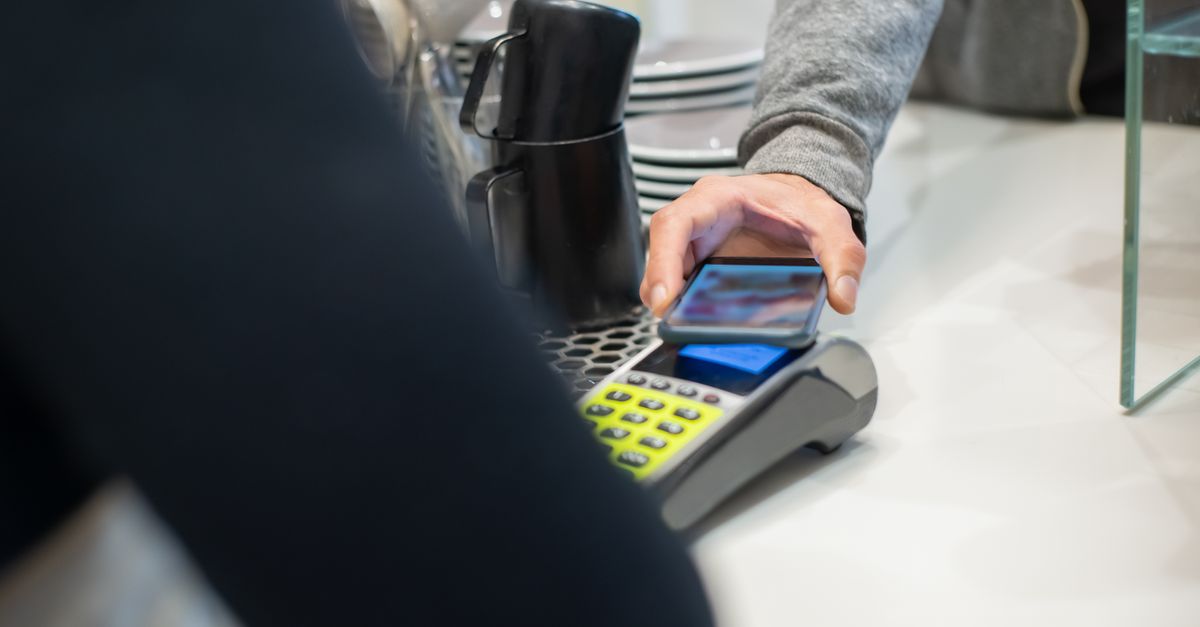
Digital Wallet Security And Trust In Mobile Payments relies on several layers working together rather than on one magical shield. Tokenization replaces a card number with a unique substitute for each transaction, so merchants usually do not receive the original payment credentials. Encryption protects information as it travels between devices, banks, and payment networks. Secure hardware can isolate sensitive data from the rest of a phone, while biometric authentication or a passcode helps confirm that the person paying is the legitimate account holder. These systems operate quietly, which is precisely the point: good security should feel less like wrestling an octopus and more like tapping a screen.
Advertisement
What Tokenization Actually Does
In Digital Wallet Security And Trust In Mobile Payments, tokenization is one of the most important ideas to understand. Instead of sharing a permanent card number, a wallet creates a device-specific token, often paired with a transaction-specific code. If a criminal intercepts that information, it is generally far less useful for making another purchase. Tokenization does not eliminate every risk, however. A stolen unlocked phone, compromised account, or convincing phishing message can still give an attacker a route around otherwise strong technical protections. The system reduces the value of exposed data; it does not turn careless behavior into an impenetrable fortress.
Advertisement
The Human Layer of Protection
Digital Wallet Security And Trust In Mobile Payments also depends on ordinary user decisions. A strong, unique device passcode is the first line of defense, and automatic screen locking limits the damage caused by loss or theft. Users should install operating-system and wallet updates promptly because they often repair newly discovered weaknesses. Biometric features can add convenience, but they work best alongside a robust passcode rather than as a substitute for one. Sharing verification codes, approving unfamiliar login requests, or installing apps from dubious sources can undermine sophisticated security in seconds. Technology may build the castle, but daily habits decide whether the gate is left open.
Advertisement
Recognizing Fraud and Social Engineering
Many payment attacks target attention and emotion rather than software. A message claiming that an account will be closed, a call requesting an urgent verification code, or a fake delivery notice leading to a payment page may all be designed to create panic. In Digital Wallet Security And Trust In Mobile Payments, awareness is therefore as valuable as encryption. Legitimate banks and wallet providers generally do not need customers to disclose one-time passcodes or move money to a supposedly safe account. Users should pause, inspect addresses, contact providers through official channels, and treat unexpected urgency as a warning sign. Suspicion is not rudeness; it is a useful security feature.
Advertisement
Public Networks and Devices
Digital Wallet Security And Trust In Mobile Payments can be affected by the environment in which a transaction occurs. Reputable wallets use encrypted connections, but users should still avoid entering account credentials on unfamiliar websites or shared devices. Public Wi-Fi is not automatically dangerous, yet deceptive networks and poorly secured pages can expose login details. Keeping Bluetooth and file-sharing settings controlled, avoiding unknown charging accessories, and refusing unsolicited app permissions also reduce opportunities for abuse. A payment made at a café may be perfectly safe, but convenience should not encourage users to ignore what their screen, network, or surroundings are telling them.
Advertisement
How Providers Build Confidence
Trust is strengthened when financial institutions and wallet companies communicate clearly about protection, privacy, and dispute processes. Digital Wallet Security And Trust In Mobile Payments improves when providers offer real-time alerts, device management, transaction limits, remote lock or erase tools, and fast ways to report suspicious activity. Clear notifications should identify the merchant, amount, and location without exposing unnecessary personal information. Providers should also explain what happens after a device is lost and how unauthorized transactions are investigated. Vague promises are poor security education; specific controls and understandable explanations give customers something far more useful than reassuring wallpaper.
Advertisement
Privacy Is Part of Security
People often treat privacy and security as separate topics, but they overlap. Collecting less information reduces the amount that could be misused, while transparent data practices make customers more capable of spotting unusual activity. Users should review which apps can access notifications, contacts, location, and payment-related information. They should also understand whether a wallet stores transaction histories locally, in the cloud, or with a financial provider. A trustworthy service explains its data retention and sharing practices in language that does not require a law degree or a decoder ring. Confidence grows when people know both how their money is protected and how their information is handled.
Advertisement
Balancing Convenience With Caution
The appeal of mobile payments lies in speed: a phone can authenticate a purchase faster than a wallet can emerge from a crowded pocket. That convenience should be paired with sensible limits. Users can enable purchase notifications, review account activity regularly, keep backup recovery details secure, and remove old devices from wallet accounts. Merchants can train staff to recognize suspicious refunds, altered receipts, and unusual payment behavior without profiling customers. Banks and technology companies, meanwhile, should design secure defaults so protection does not depend entirely on technical expertise. The best payment experience is not merely fast; it is fast while remaining understandable and recoverable when something goes wrong.
Advertisement
A Practical Standard for Confidence
Digital Wallet Security And Trust In Mobile Payments is strongest when technology, businesses, and customers share responsibility. Tokenization, encryption, authentication, alerts, and device controls create a formidable foundation, while updates, careful verification, and prompt reporting close common gaps. No payment method is entirely risk-free, but informed users can make attacks more difficult and limit losses when problems occur. In the end, trustworthy mobile commerce depends on both invisible engineering and visible accountability. Security earns confidence through repeated evidence: protected transactions, honest explanations, responsive support, and habits that treat convenience as valuable rather than invincible.
Advertisement