Mobile Banking’s Safer Future: Wallet Security Matters
A Convenient Target in Your Pocket
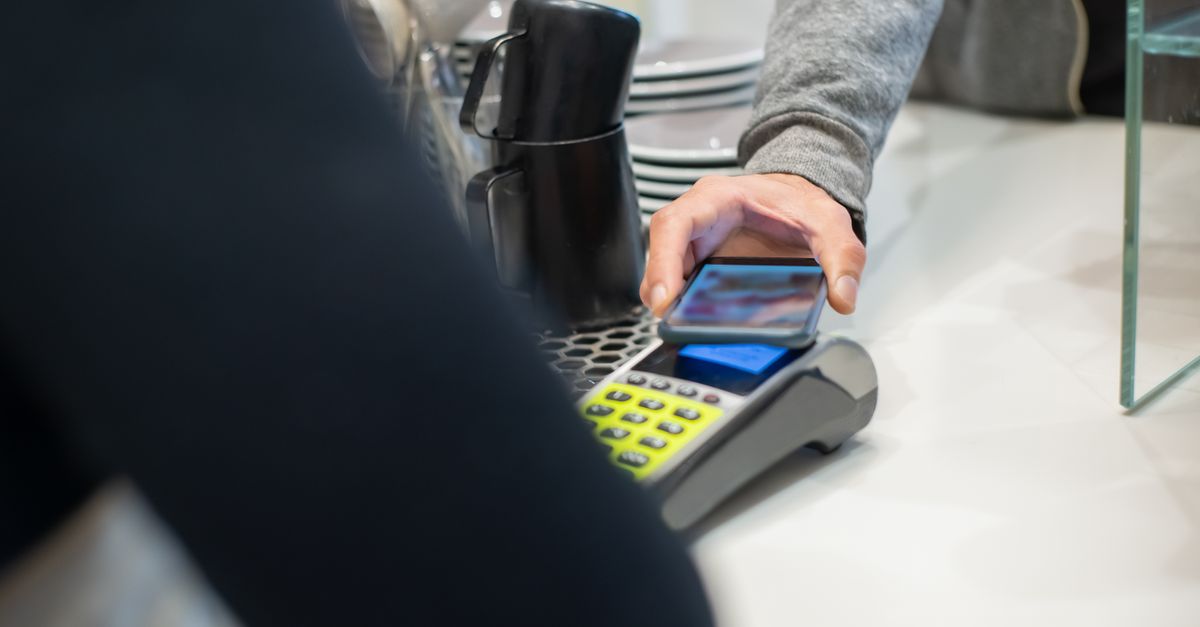
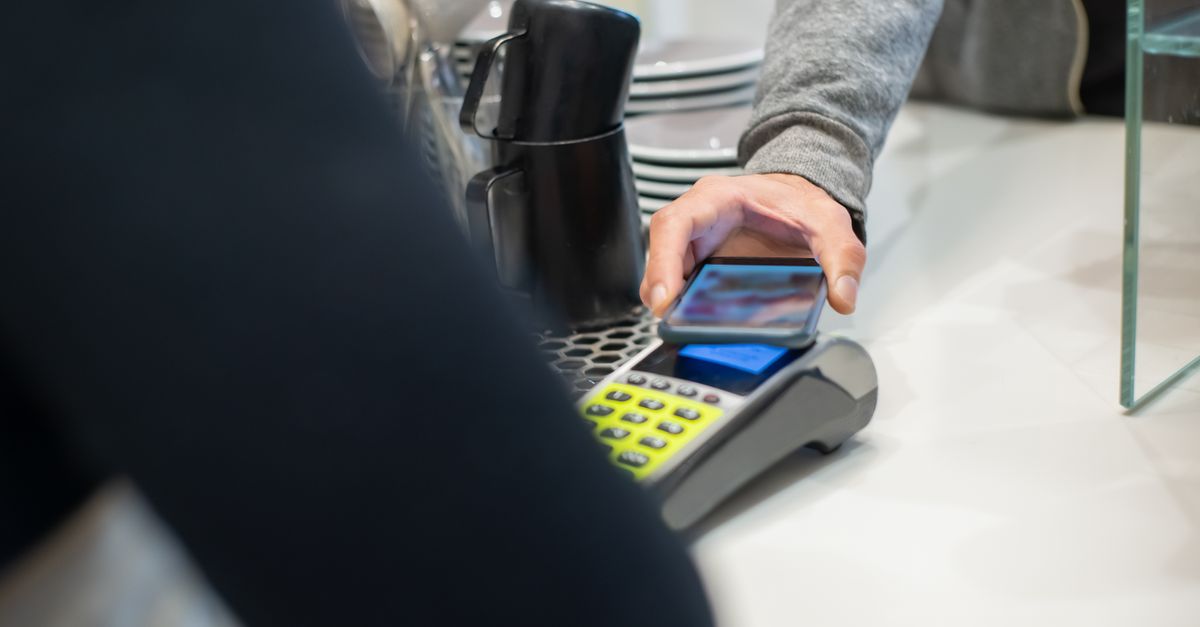
Digital wallets have moved from novelty to everyday infrastructure, letting people pay, transfer money, and manage accounts from a phone. Yet convenience creates a tempting target for criminals. Digital Wallet Security And The Future Of Mobile Banking depends on stronger technology, smarter habits, and financial institutions that treat trust as a core product feature.
Advertisement
Why Digital Wallets Attract Criminals
A modern wallet is not just a replacement for cash. It may store payment cards, loyalty accounts, travel passes, identity information, and links to savings or credit accounts. That concentration of value makes a lost phone or compromised account potentially more serious than a missing wallet. Digital Wallet Security And The Future Of Mobile Banking must therefore address several threats at once, including phishing, malicious apps, stolen passwords, SIM-swap attacks, insecure public networks, and social engineering. Criminals often target people rather than software because a convincing message can persuade someone to reveal a verification code faster than any technical exploit.
Advertisement
Authentication Is Becoming More Personal
Passwords remain familiar, but they are also frequently reused, guessed, exposed in data breaches, or captured by fake login pages. Stronger systems increasingly combine something a person knows, such as a passcode, with something they possess, such as a trusted device, and something they are, such as a fingerprint or facial scan. Digital Wallet Security And The Future Of Mobile Banking will depend heavily on this layered model. Passkeys, hardware-backed credentials, and biometric checks can make unauthorized access harder while reducing the burden of remembering a small library of increasingly absurd passwords. The best systems also detect unusual behavior, such as a new device, unfamiliar location, or suspicious transfer.
Advertisement
Encryption Works Quietly in the Background
Encryption converts readable information into a form that is useless without the correct key. In mobile banking, it can protect data while it travels between an app and a financial institution and while it rests on a device or server. Tokenization adds another useful shield by replacing a card number with a temporary digital token during a transaction. If intercepted, that token may be worthless outside its intended context. Digital Wallet Security And The Future Of Mobile Banking will improve as banks use secure hardware, encrypted connections, tokenized payments, and carefully managed keys as standard practice rather than premium features. Security is most effective when it operates invisibly and consistently.
Advertisement
The Phone Itself Is Part of the Lock
A secure wallet depends partly on the device carrying it. Automatic operating-system updates can close known vulnerabilities, while official app stores reduce—but do not eliminate—the risk of malicious software. Screen locks, remote-location tools, and remote-wipe features can limit damage after loss or theft. Users should avoid installing apps from questionable sources and should be cautious with unexpected links, even when a message appears to come from a bank. A phone shared casually with family or colleagues may also create exposure, particularly if notifications display transaction details or one-time codes on a locked screen.
Advertisement
Human Judgment Still Matters
Technology cannot completely defeat a scam that persuades an account holder to approve a payment. Fraudsters may impersonate bank staff, delivery companies, employers, or even worried relatives. They create urgency, encourage secrecy, and use realistic branding because panic is an efficient shortcut around careful thinking. A sensible rule is to pause when a message demands immediate action, then contact the organization through its official app, website, or published telephone number. Never disclose a password or verification code to someone who contacts you unexpectedly. Good digital habits are not glamorous, but neither is explaining an unauthorized payment to customer support at midnight.
Advertisement
Banks Must Design for Real Life
Financial institutions carry a large share of the responsibility because customers cannot inspect every security decision hidden inside an app. Clear alerts, easy-to-find account controls, meaningful transaction descriptions, and rapid reporting channels can prevent small concerns from becoming expensive incidents. Banks should also make security features understandable rather than burying them under technical language. Digital Wallet Security And The Future Of Mobile Banking requires institutions to monitor suspicious activity without treating every unusual purchase as proof of wrongdoing. A traveler buying lunch abroad should not be locked out indefinitely, but a sudden high-value transfer to a new destination deserves intelligent scrutiny.
Advertisement
Privacy and Security Need Balance
Fraud detection often relies on analyzing device information, spending patterns, locations, and account behavior. That analysis can protect customers, but it also raises legitimate privacy questions. People should know what information is collected, why it is needed, how long it is retained, and with whom it is shared. Strong security should not become an excuse for unlimited surveillance. Privacy-preserving techniques, carefully limited data access, and transparent policies can help financial services identify danger while respecting personal boundaries. The goal is not to know everything about a customer; it is to recognize meaningful risk with the least intrusive evidence possible.
Advertisement
The Next Generation of Mobile Payments
Future wallets may connect more closely with digital identity systems, wearable devices, connected cars, and instant payment networks. Artificial intelligence could spot unusual behavior more quickly, while adaptive authentication could increase checks only when risk rises. However, new convenience can create new weaknesses, especially when many services depend on one identity or device. Digital Wallet Security And The Future Of Mobile Banking will be shaped by how responsibly these systems are introduced. Interoperability, independent testing, secure software updates, and clear rules for recovering a lost account will matter just as much as speed. A futuristic payment experience is useful only if ordinary users can understand and control it.
Advertisement
Building Trust One Transaction at a Time
The safest mobile banking environment combines resilient infrastructure, thoughtful product design, and alert customers. Digital Wallet Security And The Future Of Mobile Banking is not a single feature that can be switched on; it is an ongoing process of reducing risk, learning from incidents, and improving safeguards. Biometrics, encryption, tokenization, and behavioral monitoring can make attacks more difficult, but they work best alongside sensible privacy protections and human oversight. Ultimately, confidence will come from systems that are secure by default, transparent when something goes wrong, and simple enough for people to use correctly.
Advertisement