Safer Taps: Understanding Mobile Payment Security Trends
A New Kind of Everyday Wallet
Mobile payments have moved from novelty to daily habit, turning phones into wallets, tickets, and sometimes keys. Digital Wallet Security And Mobile Payment Trends now center on a practical question: how can convenience keep pace with fraud prevention? The answer involves smarter authentication, safer software, careful habits, and payment networks designed for resilience.
Advertisement
Why Security Has Become Central
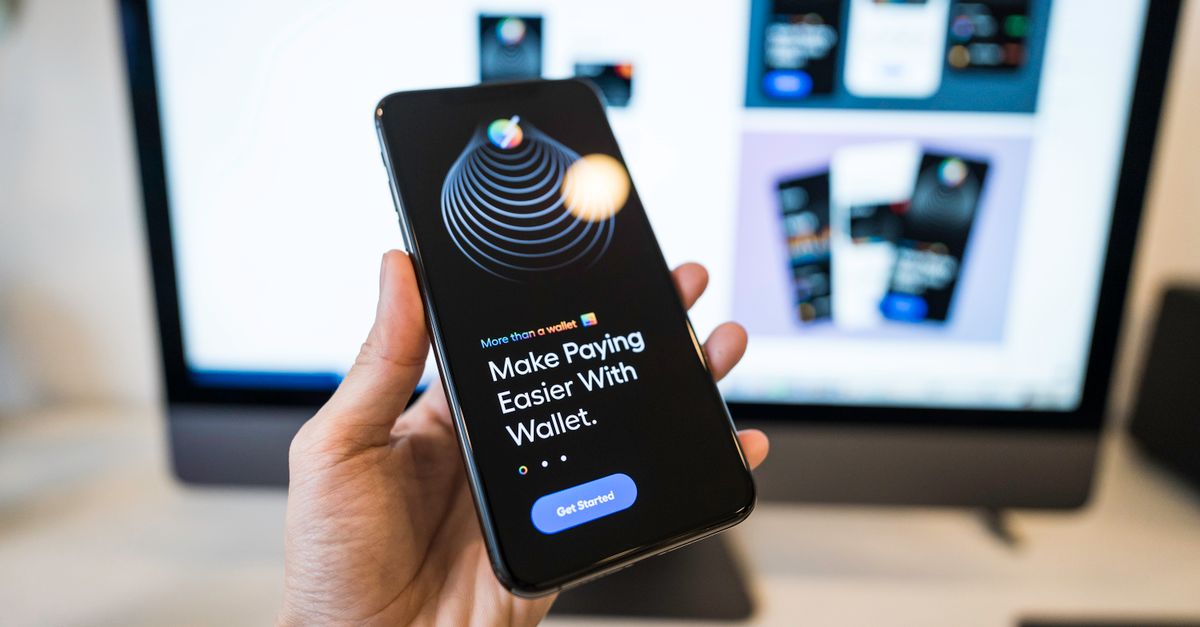
Digital Wallet Security And Mobile Payment Trends reflect a simple reality: a modern phone may connect to bank accounts, credit cards, loyalty programs, and identity services all at once. That concentration creates convenience, but it also makes the device an attractive target. A misplaced phone, weak passcode, malicious app, or compromised account can create several problems at once. Wallet providers therefore rely on layered protection rather than one magical security button, because even technology has limits and occasionally needs adult supervision.
Advertisement
The Protective Layers Behind a Tap
Digital Wallet Security And Mobile Payment Trends increasingly depend on tokenization. Instead of sending a card number directly to a merchant, a wallet can use a substitute token that is useless outside a specific transaction or device. Encryption helps protect information while it travels, while secure hardware stores sensitive credentials in an isolated area of the phone. Biometric checks, such as fingerprint or facial recognition, add another barrier, although they work best alongside a strong device passcode rather than as a complete replacement for it.
Advertisement
Authentication Gets More Intelligent
Digital Wallet Security And Mobile Payment Trends are also shaped by risk-based authentication. Payment systems can assess clues such as location, device health, transaction size, purchase history, and unusual timing. A familiar coffee purchase may pass smoothly, while an expensive transaction from a new device could require an additional verification step. This approach reduces needless friction for ordinary purchases without treating every transaction as equally trustworthy. The goal is not to make users solve a puzzle before buying a sandwich; it is to notice when a transaction behaves oddly.
Advertisement
The Rise of Contactless Commerce
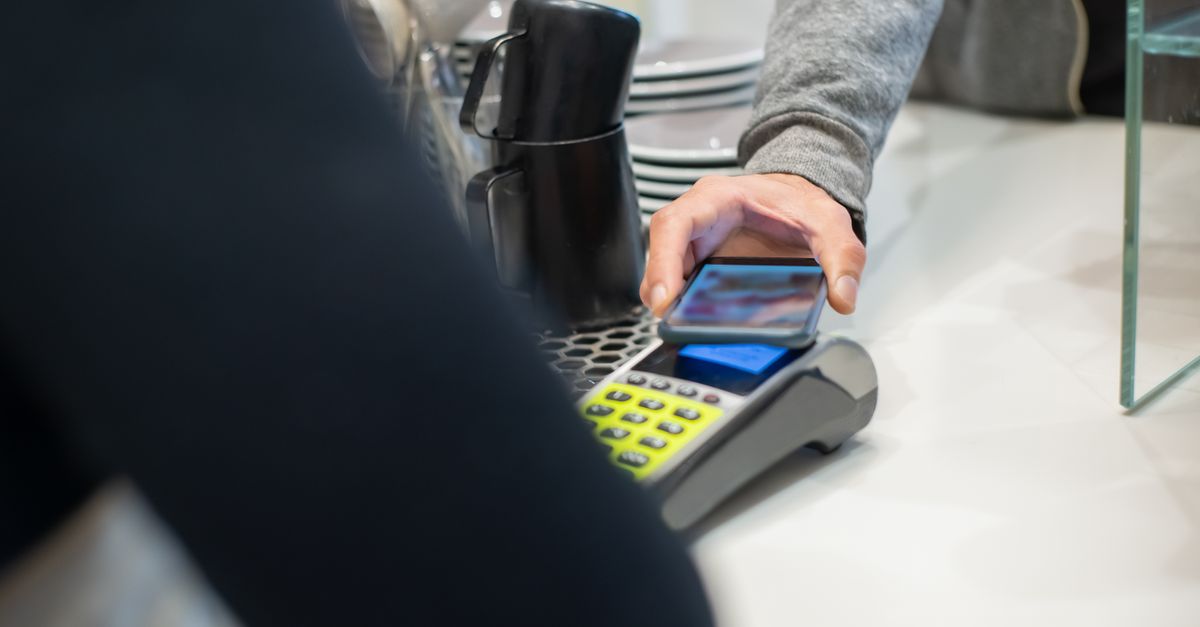
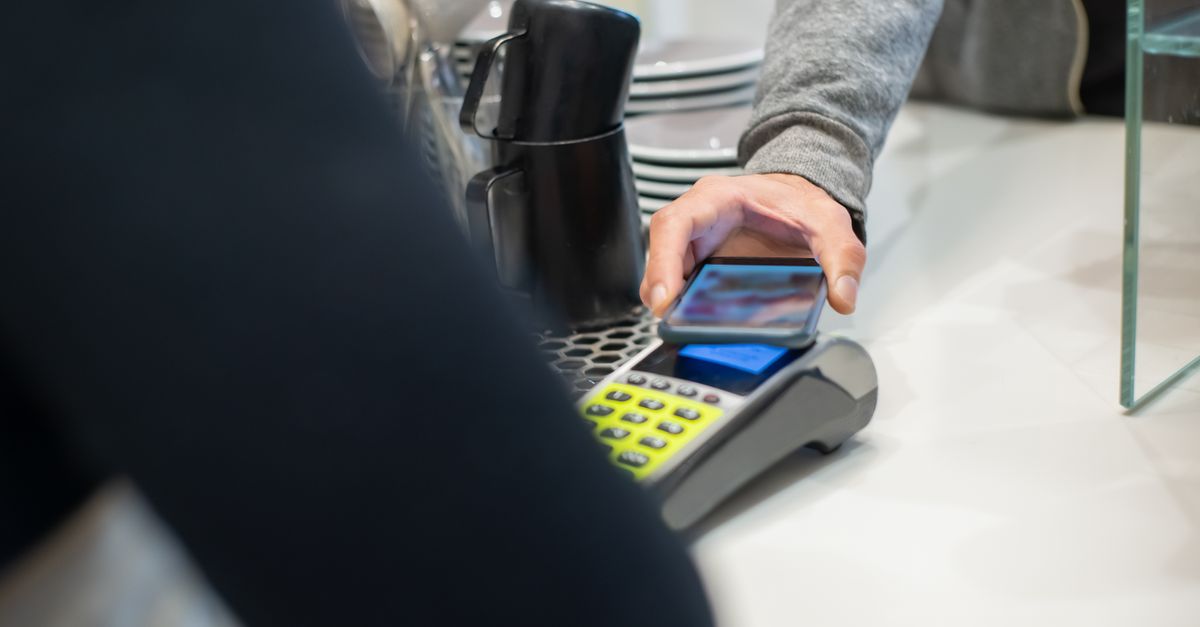
Digital Wallet Security And Mobile Payment Trends are closely tied to the growth of contactless payments. Near-field communication allows a phone or wearable device to communicate with a compatible terminal over a very short distance, making checkout quick and hygienic. Tap-to-pay has expanded beyond shops into transit systems, vending machines, event venues, and small businesses. Wearables add another layer of convenience, but their small size makes account recovery and device management especially important when they are lost or replaced.
Advertisement
What Businesses Are Changing
Digital Wallet Security And Mobile Payment Trends are reshaping merchant technology as well. Businesses are adopting contactless terminals, QR-based payments, in-app checkout, and payment links shared through digital platforms. Many are also using fraud-monitoring systems that compare transactions against known patterns and flag suspicious behavior. Small retailers benefit from simpler setup and lower hardware demands, while larger companies are connecting payments with loyalty programs and personalized offers. These integrations can improve customer experience, but they also increase the amount of data that must be governed responsibly.
Advertisement
Privacy, Data, and Consumer Trust
Digital Wallet Security And Mobile Payment Trends cannot be separated from privacy concerns. Consumers increasingly want to know what information is collected, how long it is stored, and which companies can access it. Payment providers are responding with clearer settings, transaction alerts, virtual card numbers, and controls for freezing or replacing credentials. Data minimization is becoming a competitive advantage: collecting only what is needed can reduce exposure while making privacy policies less likely to resemble a novel written by a committee.
Advertisement
The Habits That Still Matter
Technology can block many attacks, but everyday behavior remains an important part of the security picture. Users should keep phones and wallet apps updated, use a strong screen lock, enable account alerts, and avoid entering payment details through suspicious links. Public charging stations and unfamiliar Wi-Fi networks deserve caution, particularly when a device is being used for sensitive account activity. Lost devices should be locked or erased remotely as soon as possible, and old payment cards should be removed from recycled or transferred phones. These habits are simple, yet they close gaps that sophisticated systems cannot always anticipate.
Advertisement
Where Mobile Payments Are Heading
The next phase will likely bring more invisible authentication, wider use of passkeys, and closer connections between wallets, identity systems, transit networks, and connected devices. Artificial intelligence may improve fraud detection by identifying subtle patterns, although its decisions will need transparency and human oversight. Central bank digital currencies, account-to-account payments, and embedded checkout could further diversify how people pay. At the same time, regulators and industry groups will continue balancing innovation with interoperability, privacy, accessibility, and reliable dispute processes.
Advertisement
Conclusion
Phone-based payments are becoming faster, more integrated, and more dependent on layered defenses. Tokenization, encryption, biometrics, risk analysis, and responsible data practices all contribute to safer transactions, but none eliminates the need for sensible user habits. The strongest payment future will combine seamless convenience with transparent controls, resilient infrastructure, and security that works quietly in the background.
Advertisement