Unsold Modular Homes: Value, Risks, and Smart Buying
A Different Route to Homeownership
Unsold Modular Homes can offer a practical path to ownership without the wait associated with a new build. These factory-produced properties may be available because of cancellations, display changes, financing issues, or simple shifts in local demand. Understanding their pricing, condition, transport, and paperwork helps buyers spot value without mistaking leftover inventory for a bargain.
Advertisement
What “Unsold” Actually Means
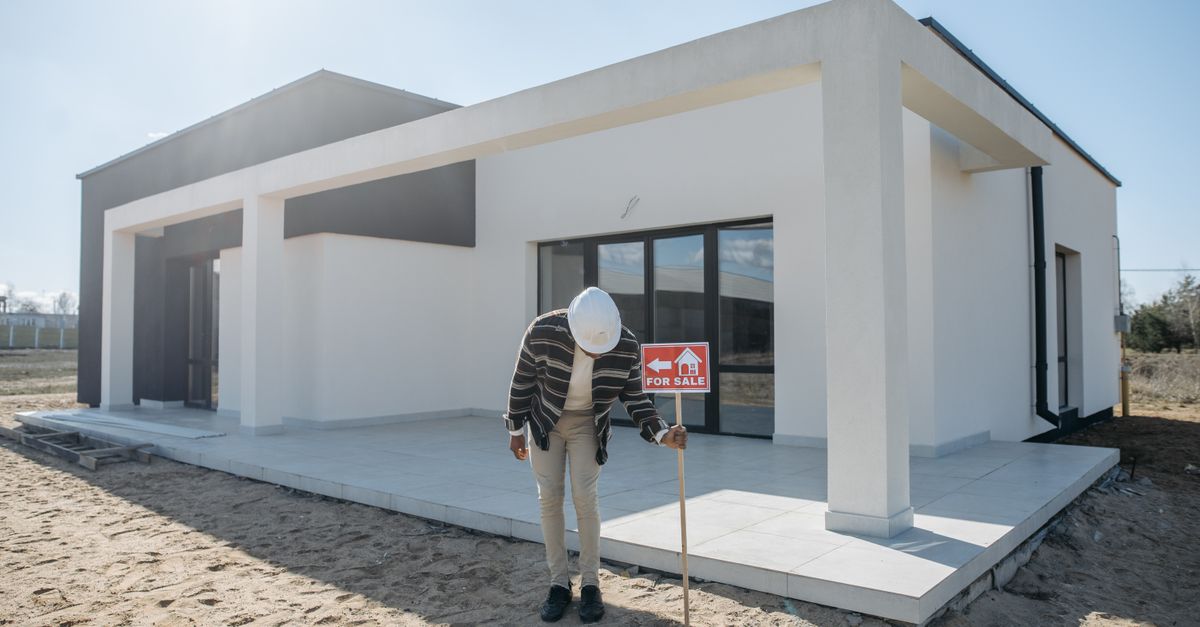
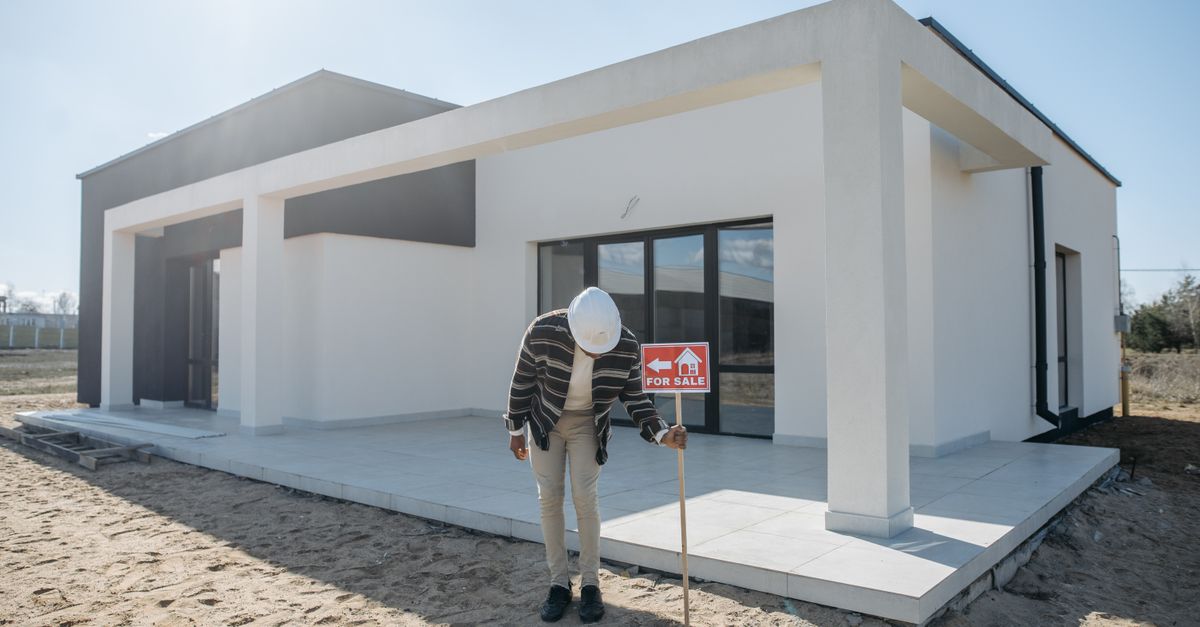
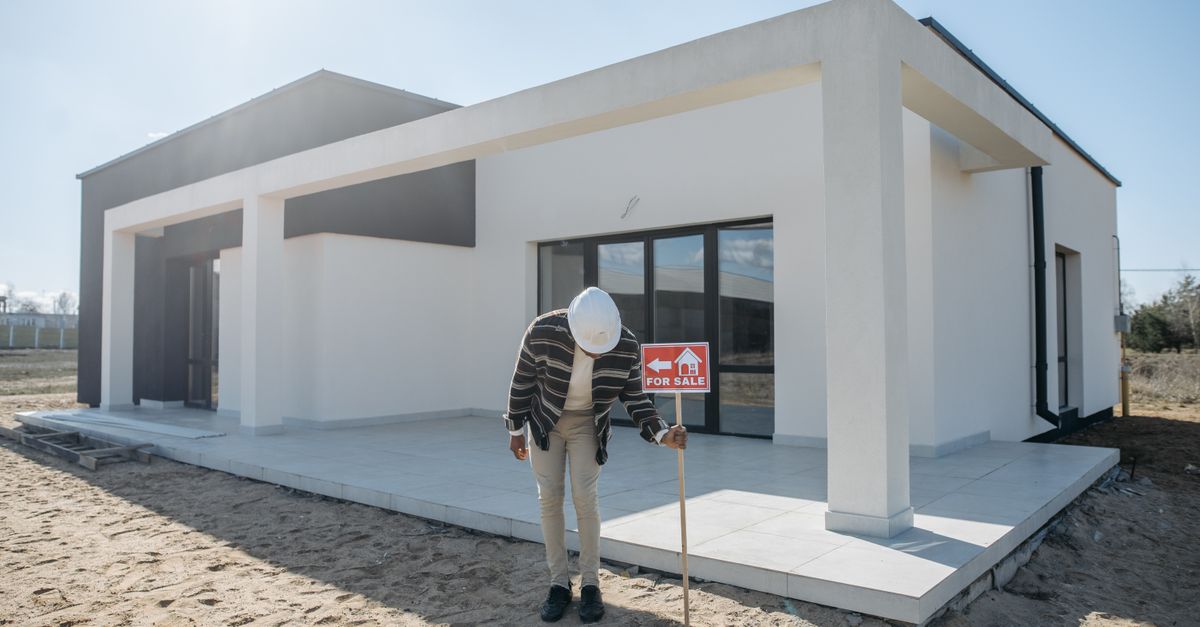
Unsold Modular Homes are not necessarily second-hand properties, although the label can cover several different situations. Some have never left the manufacturer or dealer’s lot. Others were built for a customer who cancelled an order, while some served as showroom models or demonstration units. A few may have been delivered to a site but never occupied. The distinction matters because age, exposure to weather, completed installation work, and warranty status can vary considerably. Buyers should ask for the home’s production date, movement history, ownership records, and reason for resale. A property that has sat indoors for months is a different proposition from one that has spent two winters outdoors with unfinished sealing around doors and windows.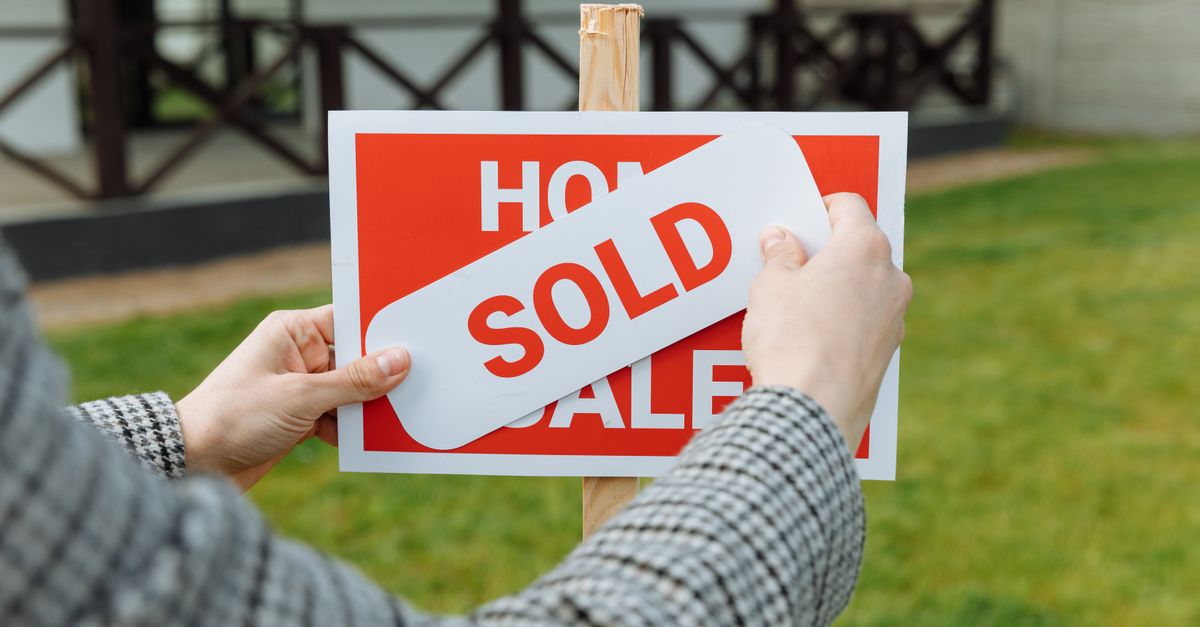
Advertisement
Why Inventory Gets Left Behind
Unsold Modular Homes can appear when market conditions change faster than construction schedules. A builder may produce popular layouts in anticipation of demand, only to discover that mortgage rates rise or local buyers prefer smaller designs. Customer cancellations can also leave a completed home without a destination. Dealers sometimes replace display models to refresh their showrooms, creating inventory that is technically new but no longer current. In other cases, a buyer’s land purchase falls through, leaving the manufacturer with a home that cannot easily be matched to another site. These circumstances are not automatically warning signs, but they should encourage careful questions rather than cheerful assumptions.
Advertisement
How the Price Should Be Judged
The appeal of Unsold Modular Homes often begins with a reduced sticker price, but the sticker is only one part of the financial picture. Compare the asking price with a similar newly ordered model, then add delivery, crane hire, foundation work, utility connections, permits, site preparation, taxes, insurance, and any required upgrades. A discount can disappear quickly if the home needs new appliances, exterior repairs, or code-related modifications. Request an itemized quotation rather than relying on a verbal estimate. It is also useful to compare the cost with local resale homes and other factory-built options. The cheapest structure is not necessarily the least expensive home once it is sitting on land, connected, inspected, and ready for daily life.
Advertisement
Inspection Is More Than a Walk-Through
Before buying Unsold Modular Homes, arrange an independent inspection by someone familiar with factory-built construction. The inspector should examine the roof, siding, windows, plumbing, electrical systems, heating and cooling equipment, insulation, floors, cabinets, and evidence of moisture. They should also look beneath the home, where transport or storage can cause damage that is invisible from the living room. Ask whether protective coverings remained in place and whether systems were tested regularly. For a display model, inspect high-traffic areas and frequently operated doors, drawers, and appliances. Cosmetic marks may be harmless, but water intrusion, warped flooring, cracked fixtures, or missing components deserve written repair commitments before money changes hands.
Advertisement
Transport, Foundations, and Site Rules
Buying Unsold Modular Homes means buying both a building and a logistics project. The home must reach the property safely, fit through roads and entrances, and be positioned on a foundation suitable for its design and local conditions. Narrow streets, low bridges, steep drives, overhead wires, and soft ground can all affect delivery costs. Buyers should confirm who handles permits, route surveys, escorts, unloading, joining sections, anchoring, and weatherproofing. Local building departments may require plans, inspections, energy compliance, and foundation certification before occupancy. The seller should provide clear responsibilities in writing, because phrases such as “delivery included” may cover transport while excluding the crane, site work, final connections, or repairs caused during placement.
Advertisement
Financing and Warranty Details
Financing Unsold Modular Homes may require more preparation than obtaining a conventional mortgage for an existing site-built property. Lenders often want evidence that the home will be permanently installed, legally classified, properly insured, and attached to land owned by the borrower. They may also require an appraisal based on comparable properties rather than the manufacturer’s suggested retail price. Warranty terms deserve equal attention. Determine whether coverage begins at the original sale, delivery, installation, or a new purchase date. Find out which company handles claims and whether transport, storage, labor, appliances, and structural components are treated differently. Get every promise in the contract, including repair deadlines, included upgrades, cancellation rights, and remedies if permits or site conditions prevent installation.
Advertisement
Negotiating Without Losing the Deal
A dealer with unsold inventory may have room to negotiate, especially near the end of a model year or accounting period. However, buyers should negotiate the total delivered-and-installed cost rather than focusing only on a headline discount. Useful requests may include upgraded appliances, corrected cosmetic defects, transportation, foundation allowances, extended warranty coverage, or assistance with permits. Ask for a completion schedule and make payment milestones dependent on verifiable progress. Avoid sending a large nonrefundable deposit before confirming land suitability, financing, title status, and inspection results. A patient, documented approach protects both sides and reduces the chance that a bargain becomes an expensive collection of unanswered emails.
Advertisement
Common Red Flags to Take Seriously
Several warning signs merit extra caution. These include pressure to pay immediately, vague answers about ownership, missing serial numbers, incomplete floor plans, unexplained modifications, unclear warranty documents, and reluctance to allow an independent inspection. A seller who cannot explain where the home has been or who is authorized to sell it may create title and registration problems later. Buyers should also be wary of unusually low prices that exclude essential work, such as foundation preparation or utility connections. Confirm that the home complies with current local standards rather than assuming a previously approved design remains acceptable. Good sellers should be willing to share documents, explain costs, and provide time for sensible due diligence.
Advertisement
A Sensible Final Checklist
Before signing, buyers should assemble a file containing the purchase agreement, specifications, serial numbers, inspection report, warranty documents, delivery plan, permits, foundation design, and itemized cost estimate. Confirm the land’s zoning, access, drainage, utility availability, and suitability for the home’s dimensions. Check that the contract identifies the party responsible for damage during transport and for completing installation. It is wise to obtain insurance guidance early, since some providers treat factory-built homes differently before permanent attachment. Finally, calculate a reserve for unexpected site costs. Even a well-priced property can encounter ordinary surprises, from a buried obstacle to a delayed utility connection, and budgets appreciate a little breathing room.
Advertisement
The Bottom Line
The best purchases combine a genuine discount with transparent documentation, sound construction, and realistic installation costs. Buyers should evaluate the entire project rather than being dazzled by a reduced showroom price. Independent inspections, written responsibilities, and careful financing checks turn uncertainty into manageable risk. With patience and thorough due diligence, a factory-built home can become a sensible and comfortable choice rather than an expensive leftover.
Advertisement