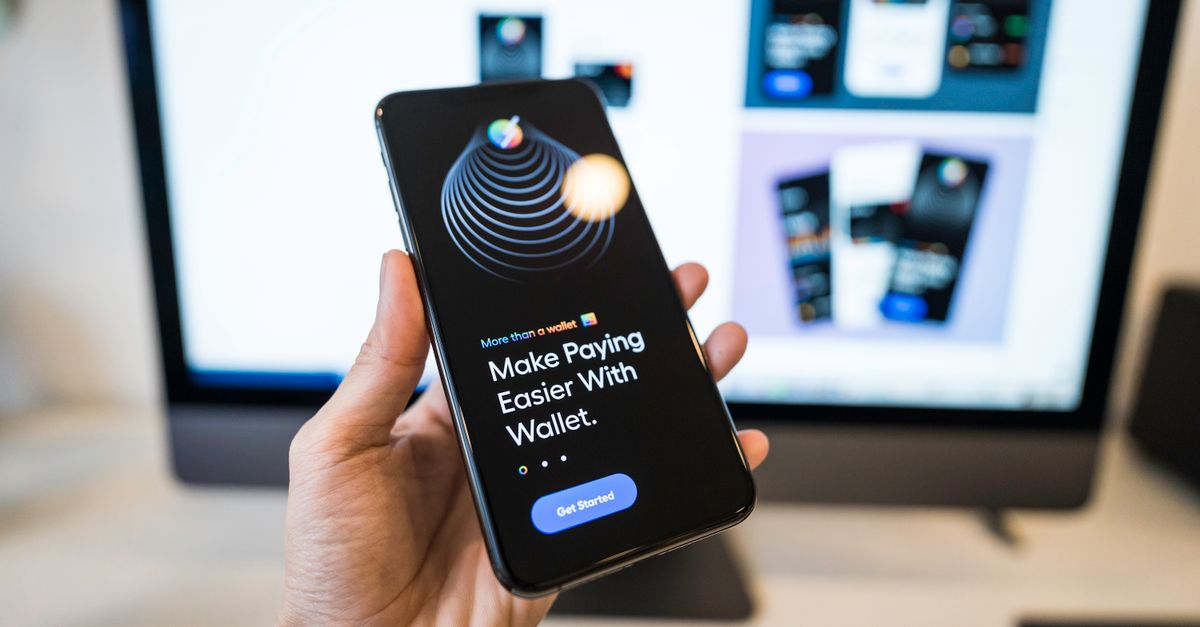
Revolutionizing Mobile Payments: A Glimpse into 2030
Introduction
Imagine a world where your smartphone not only orders coffee but pays for it while you’re still asleep. With mobile payments advancing at an unprecedented rate, 2030 promises a seamless financial revolution. This article delves into the transformative potential mobile payments hold, from greater security measures to unprecedented convenience.
Advertisement
The Role of AI in Payments
By 2030, Artificial Intelligence (AI) will be the quiet orchestrator behind most mobile payments. AI’s ability to predict consumer behavior ensures transactions occur without hiccups. Gone are the days of fumbling with mobile wallets, as AI transforms smartphones into intuitive payment assistants. Thanks to AI, mobile payments are not just completing transactions—they’re anticipating them.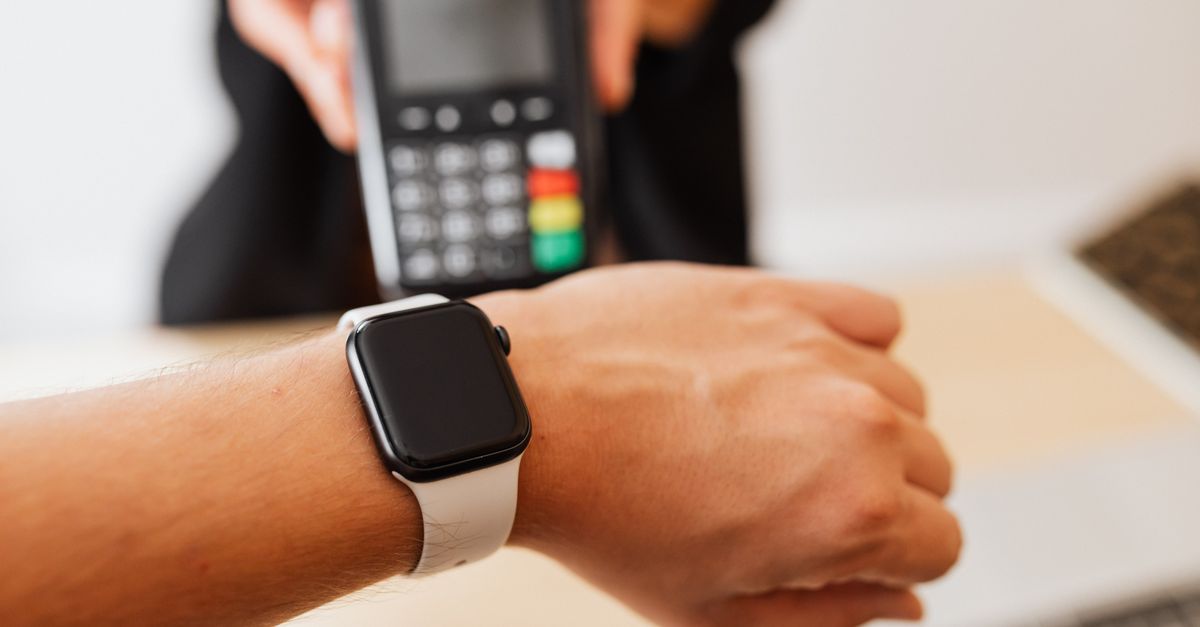
Advertisement
Security Measures: Innovation and Trust
With cyber threats evolving, security within mobile payments is paramount. By 2030, biometric authentication, like fingerprints and facial recognition, will become ubiquitous. Quantum encryption might sound sci-fi, but its use in safeguarding transactions will be standard. Trust will be bolstered by transparent transaction logs and real-time fraud alerts.
Advertisement
Reducing Transaction Friction
Say goodbye to checkout queues! Mobile payments in 2030 will redefine the shopping experience. Frictionless transactions mean no swiping, tapping, or PIN entries. Thanks to Near Field Communication (NFC) and RFID, payments will be seamlessly integrated—just walk out, and your bill’s sorted. Goodbye, queues; hello, efficiency.
Advertisement
The Rise of Smart Contracts
Blockchain won’t just change corporate financial structures; it’ll redefine personal transactions too. Smart contracts automate conditions, reinforcing trust and efficiency. Imagine buying a house with automated verifications, payments, and title transfers—all through a mobile device. By 2030, smart contracts will be a linchpin in revolutionizing mobile payments.
Advertisement
Financial Inclusion: Beyond Barriers
Mobile payments will bridge gaps previously thought insurmountable. Remote regions, once deprived of financial services, will access lending, insurance, and investments via their smartphones. Financial inclusion is not just a goal but a reality, transforming the economic landscape and enhancing global egalitarianism.
Advertisement
The Environmental Impact
Convenience meets sustainability in future mobile payments. By 2030, digital receipts replace paper, and virtual cards supersede plastic. This shift reduces waste, complements green agendas, and shows technology's role in combatting climate change. Payments become not only practical but sustainable.
Advertisement
Concluding Thoughts
As we edge closer to 2030, the potential of mobile payments is vast, marking a significant leap towards more efficient and safer transactions. From integrating AI and fortifying security to ushering in environmental change, the future of payments is bright. With lower barriers, enhanced security, and inclusive reach, revolutionizing mobile payments paves the way for an interconnected financial ecosystem.
Advertisement