Paving The Future Of Digital Finance
Introduction
Digital finance is revolutionizing the financial world by making transactions faster, more secure, and highly accessible. This transformation has implications for everyone—from individual bank customers to international corporations—ultimately changing how money is managed globally. Understanding these changes can prepare us for a smooth transition into the future.
Advertisement
The Changing Landscape of Financial Transactions
Gone are the days of cumbersome paper checks and long waits for bank transfers. Digital finance replaces traditional methods with instant transactions, facilitated by fintech innovations. Companies like PayPal and Venmo have revolutionized how we send money, while blockchain technology is ushering in a new era of transparency and security.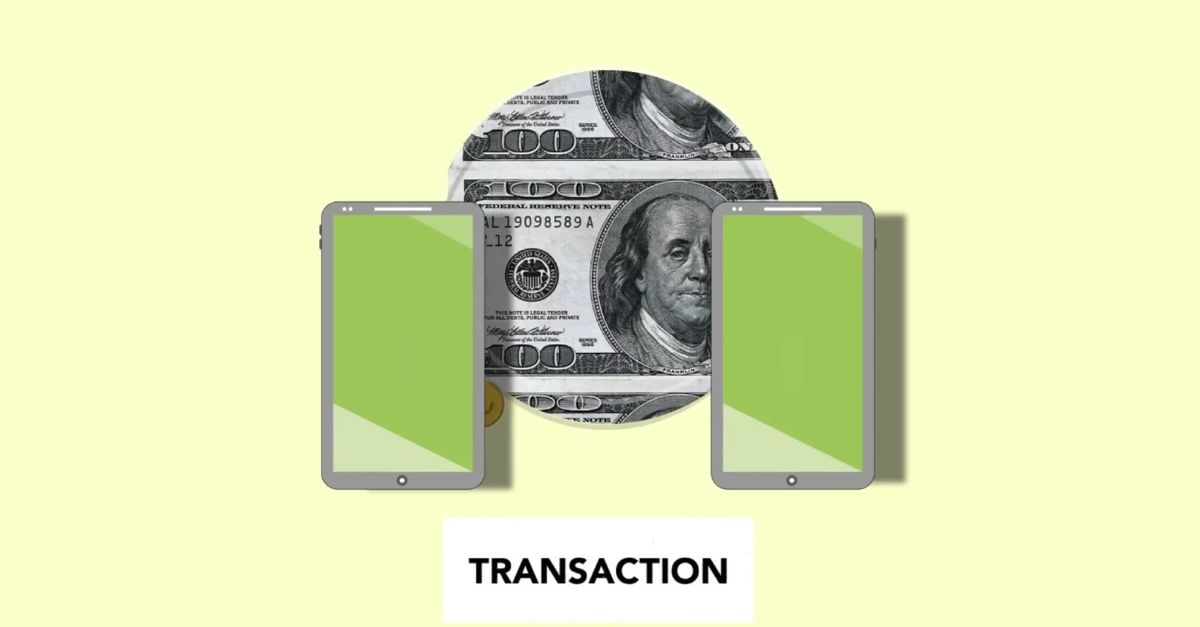
Advertisement
Fintech: The New Norm
The surge of fintech companies has led to unprecedented competition in the financial services sector. By offering lower fees, enhanced user experiences, and innovative products, these startups are redefining finance. With user-friendly apps, the average person can engage in complex financial maneuvers once reserved for professionals, paving the future of digital finance.
Advertisement
Blockchain’s Role in Finance
Blockchain technology is often synonymous with cryptocurrencies like Bitcoin. However, its decentralized nature offers countless opportunities beyond currencies. Smart contracts, which execute automatically when certain conditions are met, are transforming how businesses manage agreements. This ensures greater trust and efficiency, paving the way for increased adoption of blockchain in various sectors.
Advertisement
The Shift Towards Open Banking
Open banking allows customers to have more control over their financial data. This is achieved by enabling trusted third-party apps to access this data, providing them with tailored financial advice and products. Open banking places the power in the consumer's hands, empowering them to leverage their financial information effectively.
Advertisement
Global Implications of Digital Finance
As digital finance becomes more mainstream, it also influences global economies. For emerging markets, it represents a chance to leapfrog traditional financial systems and offer their citizens better banking access. Additionally, cross-border payments are becoming increasingly frictionless, facilitating global trade and economic growth.
Advertisement
Challenges in the Digital Era
While digital finance offers myriad benefits, it also presents challenges. Cybersecurity remains a top concern as more personal data gets digitized. It necessitates robust security measures to protect consumers against potential breaches. Additionally, regulatory frameworks must evolve to catch up with the ever-changing landscape, ensuring consumer protection and market stability.
Advertisement
Conclusion
Digital finance is undoubtedly paving the future of financial transactions, personal banking, and global economies. Its influence spans innovative technologies like fintech, blockchain, and open banking. Despite potential challenges, embracing these advancements can lead to enhanced financial inclusivity, efficiency, and security. As we continue to adapt, the synergy between technology and finance promises a robust and dynamic future.
Advertisement