Mind-Bending Tricks: Optical Illusions Explored
Introduction to Knee-Bending Visual Tricks
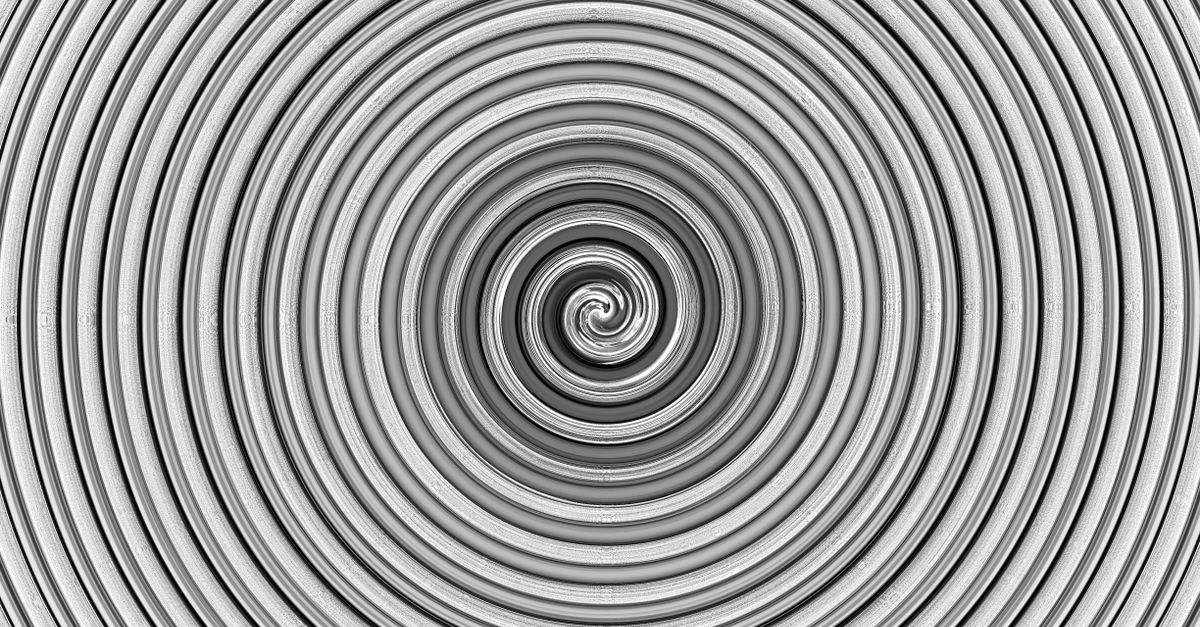
Optical illusions have intrigued humans for centuries, offering a window into the quirks of our perceptual systems. They manipulate visual cues in ways that make our minds struggle to align with reality. Let’s explore how these visual kaleidoscopes tickle our brains, revealing the fun complexities of perception and interpretation.
Advertisement
The Science Behind Optical Illusions
At the heart of every optical illusion lies an interplay between the eye and brain. Our eyes capture light patterns, while our brains attempt to make sense of them. When these signals clash, illusions trick us. This crossroad between input and interpretation can prompt fascinating perceptual misunderstandings.
Advertisement
Ambiguous Images: One Picture, Multiple Stories
Ambiguous images like the famous Rubin's vase or the duck-rabbit challenge our perceptions. Is it a vase or two faces? The brain prefers stable interpretations, but such illusions present dual possibilities, prompting a mental tussle. This reveals our brain's penchant for swift categorization, even when multiple answers exist.
Advertisement
The Enigma of Visual Paradoxes
Optical illusions aren't merely playful; they can be paradoxical. The Penrose staircase, an impossible object that defies physics, is a testament to our brains trying to impose logic. Visual paradoxes are creations of artistry and cognitive mismatches, revealing how perceptual biases can be deceptive.
Advertisement
Color Illusions: When Eyes See Differently
Remember the viral ‘dress’ that divided viewers into blue-black and white-gold camps? Our interpretation hinged on color perception influenced by surrounding context. Optical illusions exploit this, crafting perplexities in hue and shade. Such trickery reminds us of the subjective nature of color perception tied to individual experiences.
Advertisement
Size Perception: Playing with Perspective
Size illusions are another brain teaser; take the Ames room, where individuals appear to grow or shrink due to skewed perspectives. Our eyes rely heavily on context for size judgment. When familiar cues are absent, optical illusions can manipulate our brain into misinterpreting spatial relationships and dimensions.
Advertisement
Why Optical Illusions Amaze Us
Why do optical illusions fascinate us? They call into question our assumptions, pushing us to reconcile what we perceive with what we know. This playful deception invites curiosity, sometimes even stirring a chuckle. Unraveling these mysteries sharpens our understanding of perception and the limits of visual interpretation.
Advertisement
Conclusion: Embrace the Trickery
Optical illusions are testaments to the brain's intricate dance between perception and interpretation. These captivating puzzles amuse and educate, revealing the lighthearted intricacies of our perceptual systems. The next time you encounter a perplexing image, embrace the trickery—a reminder of the brain's impressive, albeit flawed, brilliance.
Advertisement