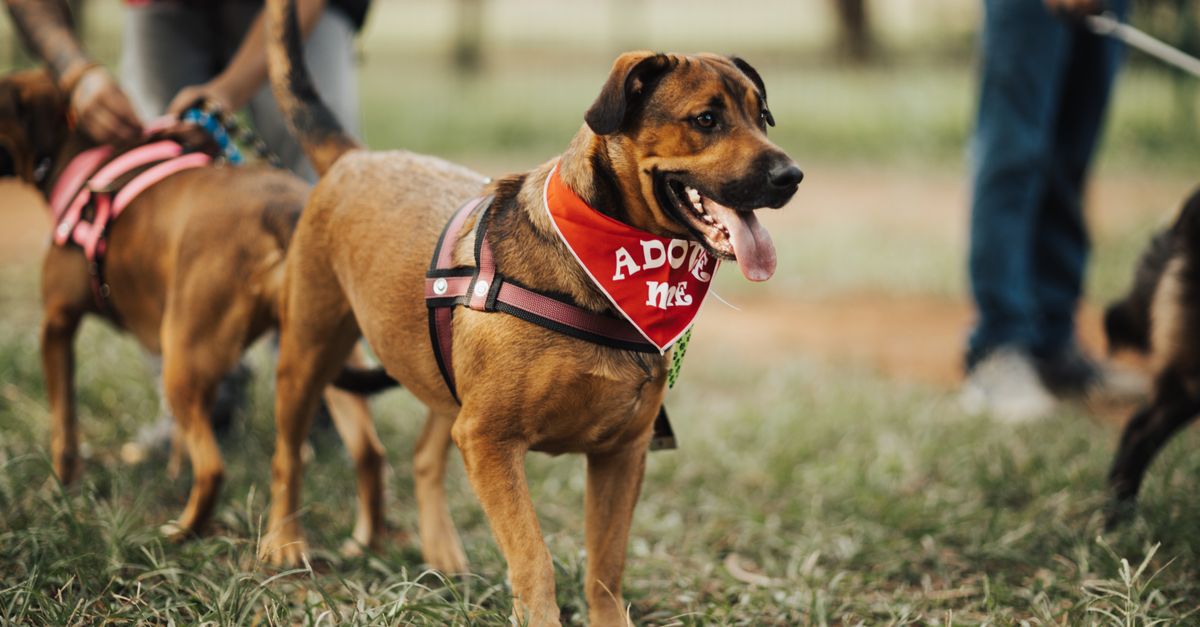
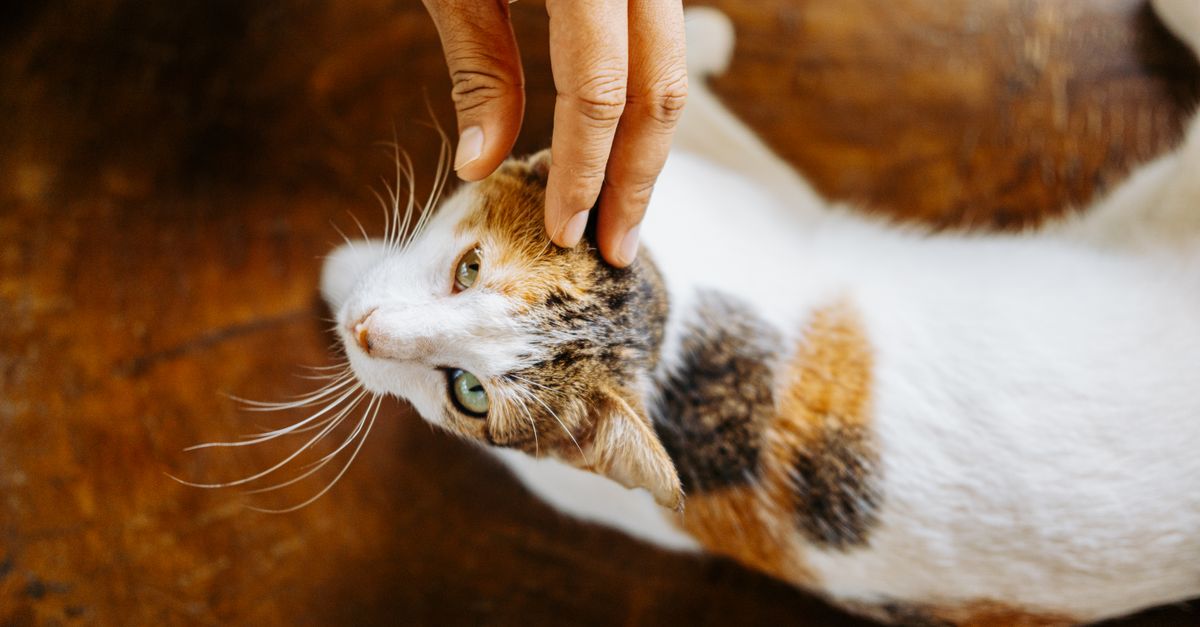
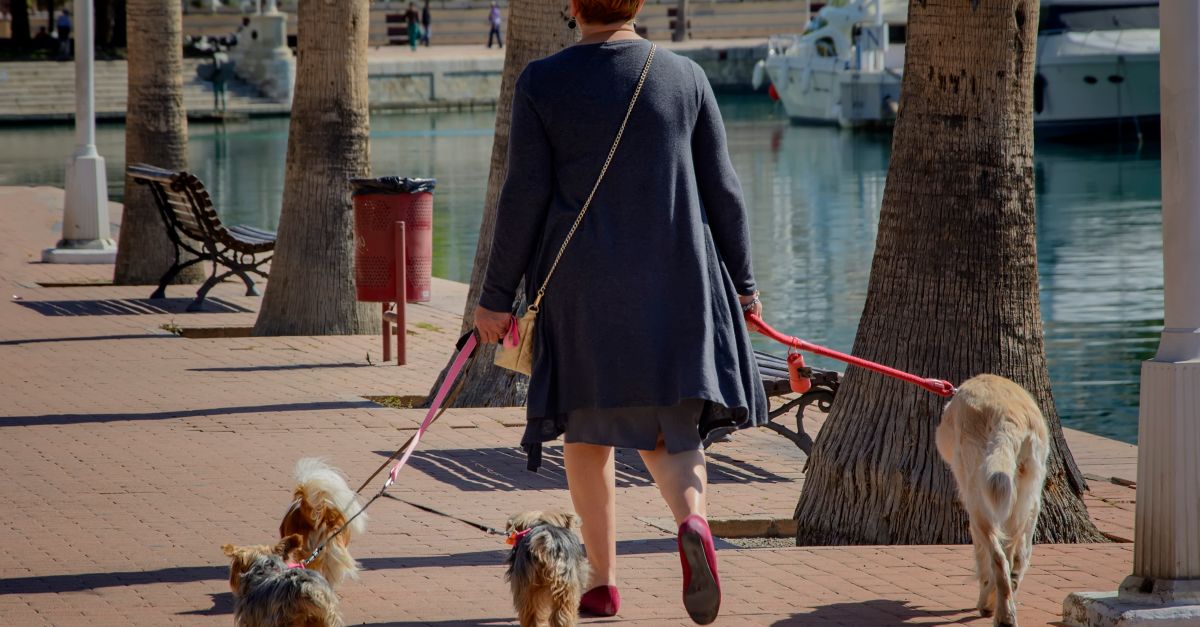
A Practical Guide to Your Adopted Dog’s First Month
A Gentle Beginning
Bringing home a rescue dog is exciting, tender, and occasionally chaotic, like hosting a polite tornado with paws. The first month is less about perfect obedience than building trust, predictability, and comfort. Small routines, patient boundaries, and careful observation help your new companion understand that this home is safe.
Advertisement
Let the First Days Be Quiet
The First 30 Days With An Adopted Dog should begin with a deliberately small world. Choose one calm room or area as a home base, and introduce the rest of the house gradually. Too much space, noise, or enthusiastic attention can overwhelm a dog that has recently experienced major change. Keep visitors limited at first, and give your dog a comfortable bed, fresh water, food, and a few safe toys. Let the dog approach people rather than insisting on cuddles. A retreating dog is not being rude; it is gathering information. Even a confident dog may sleep more than expected, pace, pant, hide, or seem unusually quiet while processing the new surroundings.
Advertisement
Build a Predictable Daily Rhythm
During the First 30 Days With An Adopted Dog, consistency is more valuable than complexity. Feed meals at roughly similar times, schedule regular bathroom breaks, and establish a dependable pattern for walks, rest, play, and bedtime. Predictability lowers stress because the dog can begin to anticipate what happens next. Use the same simple words for everyday requests, and reward desirable behavior promptly with praise, a small treat, or access to something enjoyable. Do not worry about creating a military-grade timetable; dogs appreciate rhythm, not paperwork. A flexible routine that works most days is far better than an ambitious plan that collapses by Wednesday.
Advertisement
Set House Rules Kindly
The First 30 Days With An Adopted Dog are also the right time to decide which household rules matter. Will the dog sleep in a crate, on a mat, or beside the bed? Are sofas permitted? Which rooms are off-limits? Agree on these details before confusion becomes a family tradition. Use gates, closed doors, and tidy storage to prevent mistakes rather than waiting to correct them. If the dog steals a sock, calmly trade it for an approved toy instead of turning the incident into a dramatic chase scene. Clear limits feel reassuring when they are taught calmly and applied consistently by everyone.
Advertisement
Focus on Trust Before Tricks
Bonding in the First 30 Days With An Adopted Dog is built through ordinary moments: sitting nearby while the dog rests, offering food by hand when appropriate, taking relaxed walks, and noticing what makes the animal comfortable. Training can begin immediately, but keep sessions brief and upbeat. Practice responding to a name, coming a short distance, waiting briefly, and settling on a mat. Reward effort rather than demanding flawless performance. Avoid punishment, shouting, or forced handling, which can make a worried dog less willing to communicate. Trust grows when the dog learns that humans are understandable, fair, and pleasantly predictable.
Advertisement
Read Behavior as Information
One important lesson from the First 30 Days With An Adopted Dog is that behavior usually communicates a need, not a moral verdict. Barking may reflect excitement, fear, frustration, or a desire for distance. Growling is a warning signal that the dog feels uncomfortable, so create space and identify the trigger rather than scolding the warning away. Watch body language such as tucked tails, stiff posture, lip licking, yawning, pinned ears, or sudden stillness. Keep a simple note of patterns involving food, toys, visitors, handling, and other animals. If behavior seems dangerous or increasingly difficult, seek help from a qualified, reward-based dog behavior professional.
Advertisement
Introduce the Wider World Slowly
Social experiences during the First 30 Days With An Adopted Dog should be gradual and carefully chosen. The goal is not to meet every person and dog in the neighborhood, but to create calm, successful encounters. Begin with quiet walks, peaceful outdoor spaces, and one respectful visitor at a time. Allow the dog to observe from a comfortable distance, rewarding relaxed attention. Avoid crowded events, uncontrolled greetings, and dog parks until you understand the dog’s temperament and coping skills. Introductions to resident pets should be managed carefully, with separate resources and escape routes. Progress may look uneventful, which is often excellent progress.
Advertisement
Protect Health, Rest, and Safety
Practical care in the First 30 Days With An Adopted Dog includes arranging an initial appointment with a veterinarian, confirming routine records, and discussing preventive care suited to the dog’s age and circumstances. Keep identification details current, use secure equipment on walks, and check fences, gates, windows, and balcony access. Rest deserves equal attention: an overtired dog can become irritable, mouthy, or unable to settle. Provide quiet naps and avoid filling every hour with exercise. Food changes should be handled thoughtfully, and unusual changes in appetite, energy, or elimination deserve prompt professional attention. Safety is not glamorous, but neither is chasing a dog down the street in slippers.
Advertisement
Measure Progress by Comfort
By the end of the first month, success may not mean a perfectly trained dog. It may mean eating comfortably, sleeping more soundly, choosing to approach family members, recovering faster from surprises, and understanding the household rhythm. Some dogs blossom quickly; others need many more weeks before their personalities fully emerge. Keep expectations realistic, celebrate small improvements, and adjust the environment when something repeatedly goes wrong. A calm home, consistent routines, humane training, and patient observation give an adopted dog the strongest foundation. The relationship is not finished after thirty days; that is simply when the opening chapter starts to feel familiar.
Advertisement