A Practical Guide to Bringing Home Your Rescue Dog
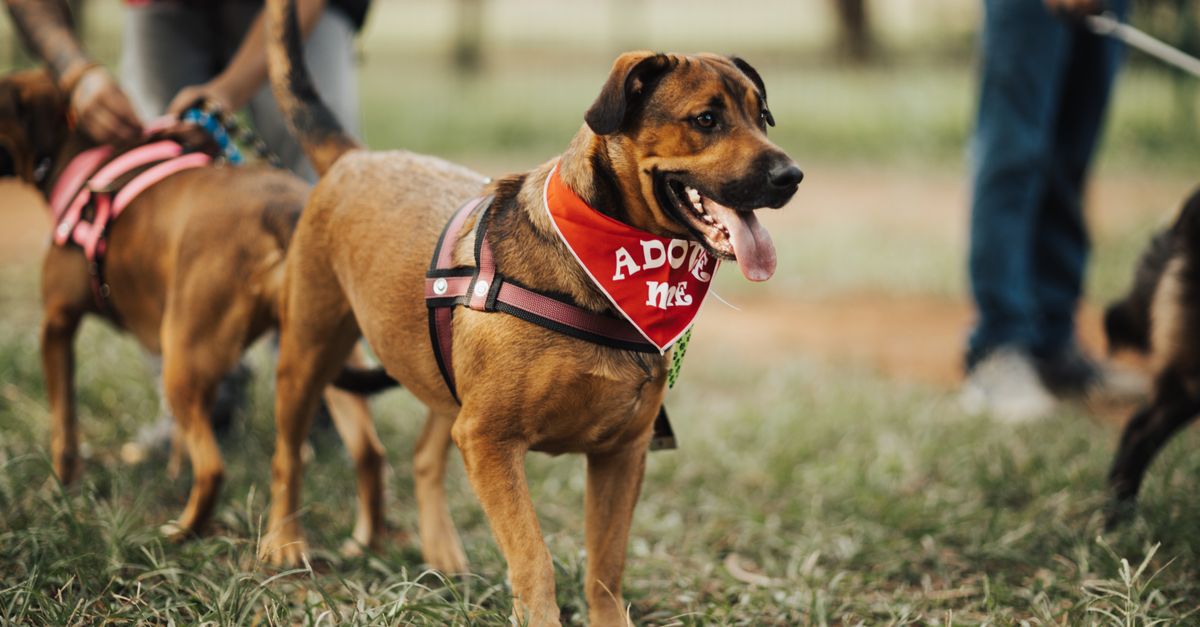
Adopting a dog can transform an ordinary household into a livelier, kinder, and occasionally fur-covered home. A thoughtful Dog Adoption Rescue Guide helps prospective owners understand the process, prepare their space, meet suitable dogs, and build trust after adoption. The goal is not perfection, but a safe, lasting match for everyone.
Advertisement
Start With an Honest Household Assessment
Before visiting a shelter or browsing adoption listings, assess your household realistically. Consider your daily schedule, housing arrangement, activity level, travel habits, and available budget. A dog may need companionship, exercise, grooming, training, and patience, so enthusiasm alone cannot carry the whole responsibility. Discuss the decision with everyone at home, including who will handle feeding, walks, cleaning, and routine care. The Dog Adoption Rescue Guide begins with this honest inventory because the best match is based on lifestyle, not simply appearance or an emotional photograph.
Advertisement
Prepare the Practical Essentials
Preparation makes the first days calmer for both people and animals. Set up a quiet resting area with a comfortable bed, water bowl, food dish, safe toys, and suitable identification. Check that doors, gates, balconies, bins, and household hazards are secure before the dog arrives. Plan transport, time away from work, and a gradual introduction to the home. It is also wise to identify nearby pet-care professionals and understand the rescue organization’s records, policies, and follow-up process. A written budget should include food, supplies, grooming, training, unexpected costs, and occasional replacement toys—because apparently some dogs regard plush animals as short-term projects.
Advertisement
Choose Compatibility Over Charm
Every dog has an individual history, temperament, energy level, and comfort zone. Age, size, breed traits, previous experiences, and behavior around people or other animals can all influence compatibility. Think about what you can genuinely manage rather than selecting the dog with the most dramatic expression. The Dog Adoption Rescue Guide encourages adopters to ask specific questions: How does the dog behave at home? Is the dog comfortable around children, cats, or other dogs? What situations cause fear or excitement? Has the dog lived with routines before? Honest answers help prevent mismatched expectations and give the adoption a stronger foundation.
Advertisement
Meet the Dog More Than Once
A single meeting can be meaningful, but it rarely reveals the whole personality of a stressed animal. If possible, arrange more than one visit and observe how the dog responds to different people, sounds, movement, and handling. Ask shelter staff or foster carers what the dog is like outside the kennel, where many animals appear unusually tense or withdrawn. Take notes instead of relying only on instinct. The Dog Adoption Rescue Guide treats the meeting as a conversation between two parties: you are evaluating whether you can provide the right home, while the dog is showing what kind of support may be needed.
Advertisement
Understand the Adoption Process
Rescue organizations vary in their application forms, interviews, home checks, fees, trial periods, and adoption agreements. These steps are not designed to make the process mysterious; they help organizations place dogs responsibly and understand an applicant’s circumstances. Read every document carefully and ask clear questions about the dog’s background, known habits, current routine, and return policy. The Dog Adoption Rescue Guide recommends being candid about your experience and limitations. Saying that you have never owned a dog is not a weakness; it allows staff to suggest appropriate support and realistic matches.
Advertisement
Make the First Days Quiet and Predictable
Once the dog comes home, resist the temptation to organize a welcome parade. A new environment can be overwhelming, even for a friendly and confident dog. Keep the first few days calm, introduce rooms gradually, and establish consistent times for meals, rest, outdoor breaks, and gentle interaction. Avoid forcing contact or inviting a crowd of visitors immediately. The Dog Adoption Rescue Guide emphasizes decompression: trust grows through repeated, predictable experiences rather than one grand display of affection. Give the dog a safe retreat and allow curiosity to develop at its own pace.
Advertisement
Build Trust Through Routine
The early weeks are less about creating an instantly obedient companion and more about learning one another’s communication styles. Reward calm behavior, use clear household rules, and keep training sessions brief and positive. Everyone should respond consistently to the same behaviors, since mixed messages can make a dog understandably puzzled. Watch for signs of stress such as hiding, excessive pacing, avoidance, or sudden changes in behavior, and reduce pressure when needed. Professional trainers or experienced rescue staff can provide practical support when challenges persist. Progress may arrive in tiny milestones: sleeping soundly, accepting a lead, relaxing near the family, or finally trusting the vacuum cleaner enough to stop treating it as a mechanical predator.
Advertisement
Expect Adjustment, Not Instant Perfection
Many adopted dogs settle quickly; others need weeks or months to feel secure. Some reveal new habits only after they relax, while others become more playful, affectionate, or energetic over time. Setbacks do not automatically mean the adoption has failed. Keep records of patterns, celebrate gradual improvement, and address problems early with calm, humane guidance. If the arrangement genuinely cannot work, contact the rescue organization promptly rather than quietly struggling or passing the dog to someone unprepared. Responsible adoption includes planning for difficulties, not pretending they will never occur.
Advertisement
A Lasting Match Takes Patience
A Dog Adoption Rescue Guide is ultimately about preparation, honesty, and compassion rather than finding a flawless pet. The right adoption considers the dog’s needs, the household’s capacity, and the support available after the handover. Calm introductions and consistent routines help transform uncertainty into trust. With realistic expectations and patience, a rescue dog can become not only a cherished companion but also a memorable, muddy, tail-wagging member of the family.
Advertisement