Digital Wallets: The Future of Banking
Introduction
Digital wallets are leading a financial revolution, transforming how we manage money in an ever-digital world. No longer just a trend, they reshape banking practices, offering convenience, security, and speed. As traditional banks adapt, observing this shift offers insights into the future of financial transactions.
Advertisement


What Are Digital Wallets?
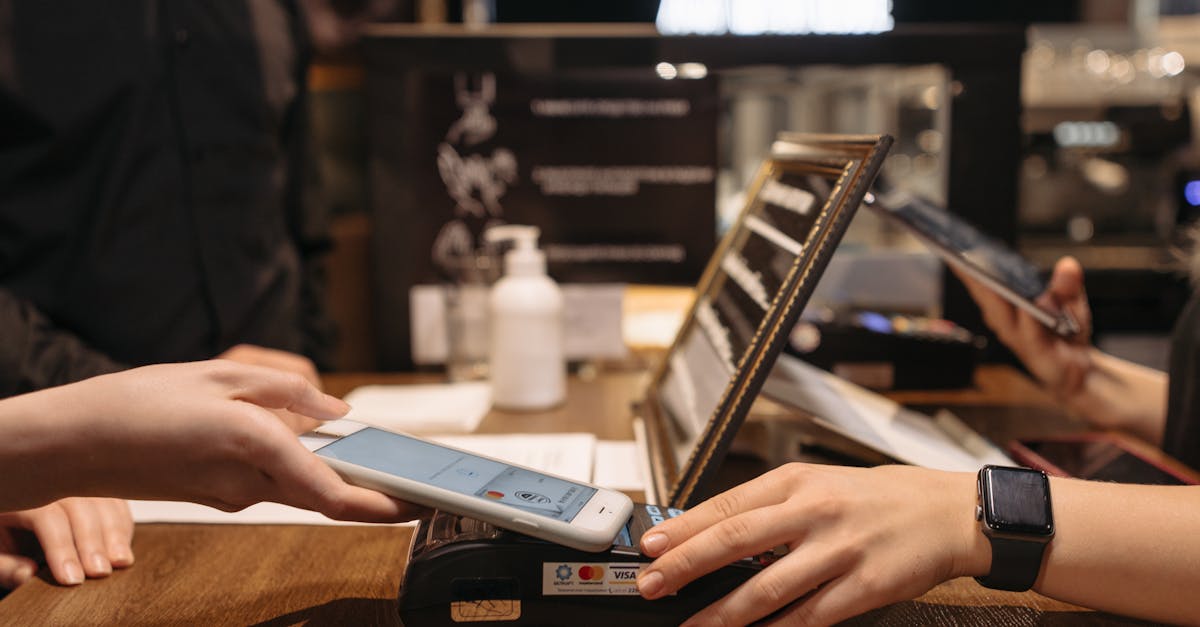
Simply put, a digital wallet is an electronic device, online service, or software platform that enables individuals to conduct electronic transactions. Unlike your bulky leather wallet, these nifty tools allow users to store payment information securely, often linked to their bank accounts or credit cards. Be it Apple Pay, Google Wallet, or PayPal, many are flocking to this easier way of managing finances.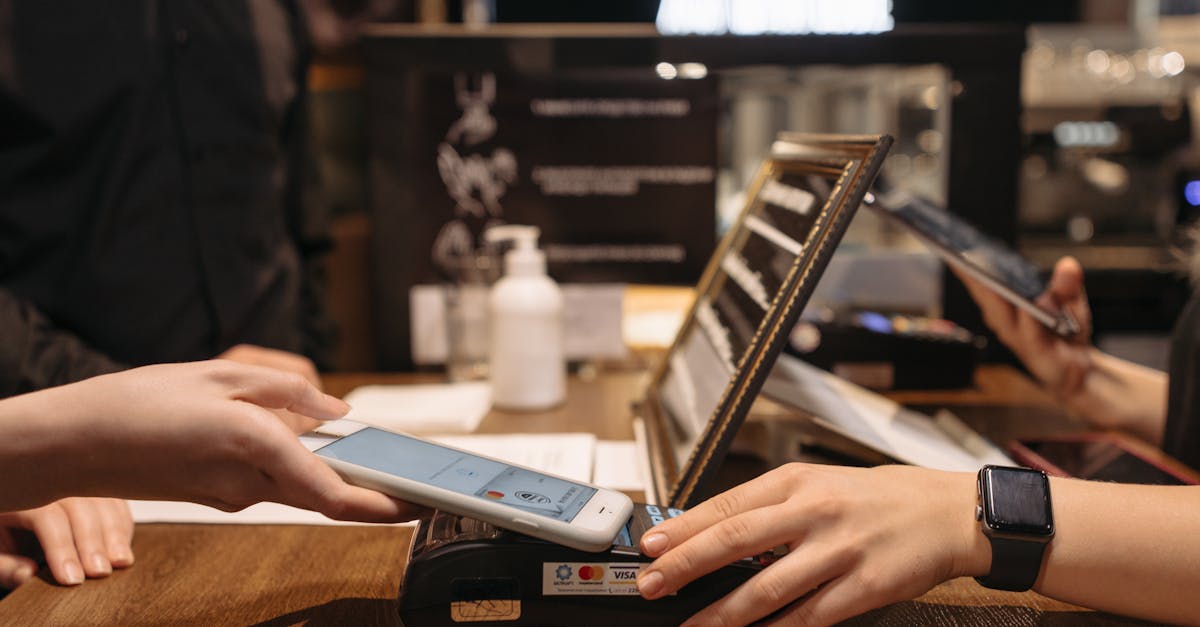
Advertisement
The Rise of FinTech
Fueled by fintech innovations, digital wallets have transformed traditional banking norms. The tech-savvy millennial and Gen Z populace crave efficiency and mobility, urging financial institutions to keep up. The synergy between technology and finance, often labeled as 'FinTech,' continues to introduce groundbreaking solutions like blockchain, enhancing the robustness and transparency of digital wallet ecosystems.
Advertisement
Security, Privacy, and Trust
Concerns about security and privacy have often been the Achilles' heel of digital wallets. However, advancements in encryption and biometric authentication have bolstered user trust. Two-factor authentication and tokenization provide extra layers of security, making digital wallets arguably safer than their physical predecessors.
Advertisement
Convenience and Accessibility
Life, once dominated by cash and plastic cards, now sees digital wallets offering unmatched convenience. Integrated within smartphones, these wallets afford quick transactions anywhere, anytime. Seamlessly assisting in peer-to-peer payments, online shopping, and even tap-to-pay features, users enjoy unparalleled ease, with banking firmly in their palms.
Advertisement
Impact on Traditional Banking
Banks, once stewards of offline transactions, are forced to pivot. Traditional banking models are integrating digital wallets to remain relevant. From reduced overhead costs to catering to a tech-friendly customer base, banks now invest heavily in app development and tech integration, ensuring an omnichannel approach to meet varied customer needs.
Advertisement
Enhanced Financial Inclusion
Digital wallets have also extended their benefits to financially underserved populations. By mitigating the need for physical infrastructure, these wallets can reach remote areas, offering banking services for the unbanked and underbanked. With internet accessibility on the rise, financial inclusion gets a significant boost, allowing everyone a place in the digital economy.
Advertisement
The Road Ahead
The future hints at even more innovations. As blockchain, AI, and machine learning evolve, digital wallets will likely integrate cryptocurrencies, offer autonomous financial advice, and redefine personal finance management. As digital wallets continue to shape the banking landscape, stakeholders across industries must adapt to remain relevant in this rapidly evolving ecosystem.
Advertisement
Conclusion
Digital wallets are undeniably reshaping banking trends through enhanced convenience, security, and accessibility. As traditional banks pivot to retain relevance, the harmonious co-existence of digital and conventional banking seems inevitable. With continued technological advancements, the future of finance looks dynamic and promising, delivering tailored solutions in the digital age. So, as we bid adieu to the era of physical wallets, embracing this change is the key to staying ahead in the financial playfield.
Advertisement