Catching Waves The Payments Revolution
Introduction: A New Era in Payments
The payments landscape is evolving faster than ever, driven by technology and consumer demand. From cash to digital wallets, the way we move money is being revolutionized. In this article, we'll explore the latest shifts in the payments industry, keeping a close eye on trends, innovations, and their impact on everyday transactions.
Advertisement
Cash Appocalypse: The Decline of Physical Currency
In a world dominated by plastic and digital transactions, the sight of cold hard cash is increasingly rare. Though not yet archaic, traditional money is swiftly losing its grip. Factors such as convenience, health safety, and technological alternatives are ushering in a cashless society, catching waves the payments revolution is creating. Yet, are dark clouds of exclusion looming over this digital dawn?
Advertisement
Mobilizing Payments: From Wallets to Wristwatches
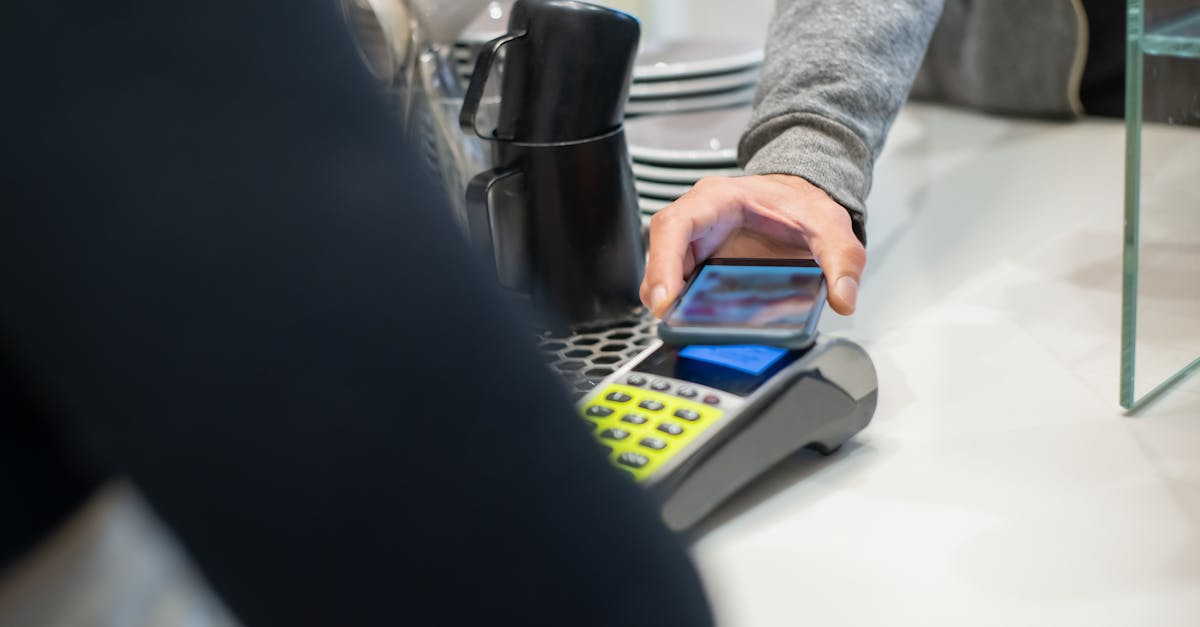
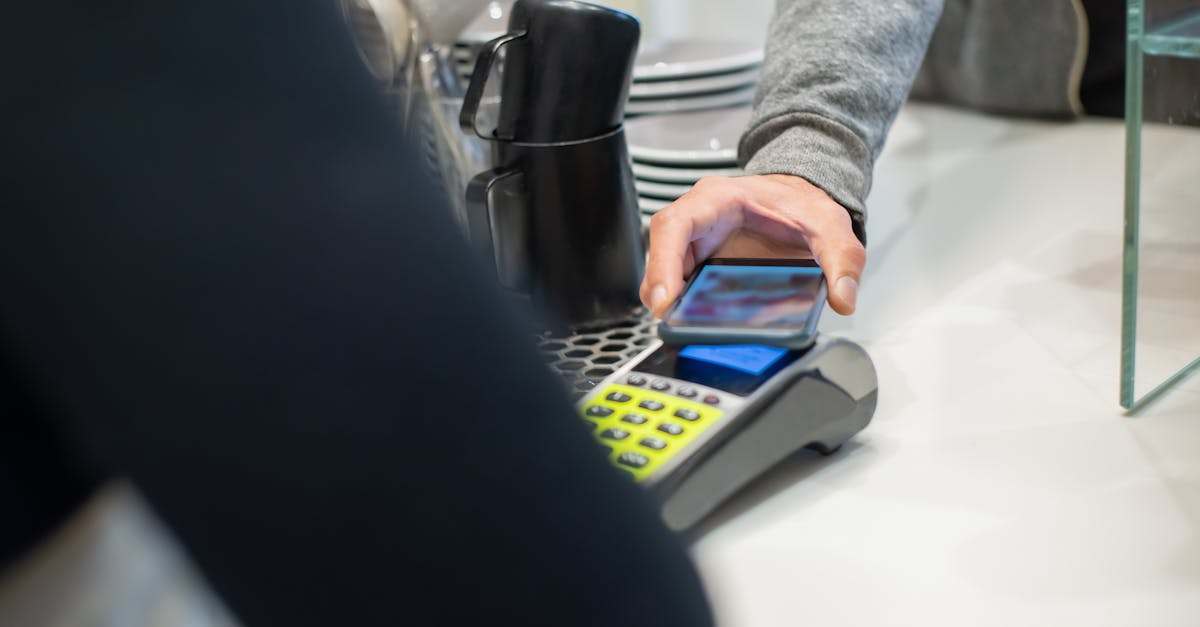
Once upon a time, the wallet was a prized accessory, stuffed with cards and cash. Now it's more commonly found in our smartphones. Contactless payments and mobile wallets are outpacing their physical counterparts in speed, security, and ease. With wearables stepping onto the stage, payments are becoming as effortless as a flick of the wrist.
Advertisement
Cryptocurrency: The Wild Card
Enter cryptocurrency, an enigmatic player in the payments revolution. With decentralized systems and secure blockchain technology, cryptocurrencies offer an innovative way to conduct transactions. Bitcoin, Ethereum, and their digital cousins may yet redefine the future of payments, even as they surge and sway like the waves in a digital ocean. But is mass adoption still a pipe dream?
Advertisement
Banking on Innovation: Financial Institutions Embrace Change
Banks, the stoic sentinels of finance, are far from static in this revolution. They've tossed their caps into the digital ring, offering online banking services, virtual cards, and fintech collaborations. While still financial titans, traditional banks are recasting their roles, ensuring they're not swept away by the tides of change. Will they flawlessly adapt or find themselves outpaced?
Advertisement
The Impact on Businesses: Opportunities and Challenges
Businesses are riding these waves of change, balancing between consumer expectations and technical demands. Embracing new payment methods means smoother transactions and broader market reach. However, adapting requires investment in technology and navigating cybersecurity challenges. For small businesses especially, this payments revolution represents both a thrilling ride and a storm to weather.
Advertisement
Regulation & Security: Navigating the Digital Seas
As new payment methods surface, so do challenges. Ensuring security in decentralized domains and crafting suitable regulations are paramount. Balancing innovation with safety is a tightrope walk—one that regulators, companies, and consumers must tread together. As digital fingerprints become the new gold standard, will this balance lead to smoother sailing?
Advertisement
Conclusion: Skimming Peaks of the Payments Future
As the payments industry undergoes this revolutionary transformation, everyone from tech moguls to local shop owners feels its ripples. If there's one constant, it's change, encouraged by technological ingenuity and consumer demand. As we continue catching waves the payments revolution sends our way, vigilance and adaptability remain key. Who knows what futuristic payment methods might await us around the next bend?
Advertisement