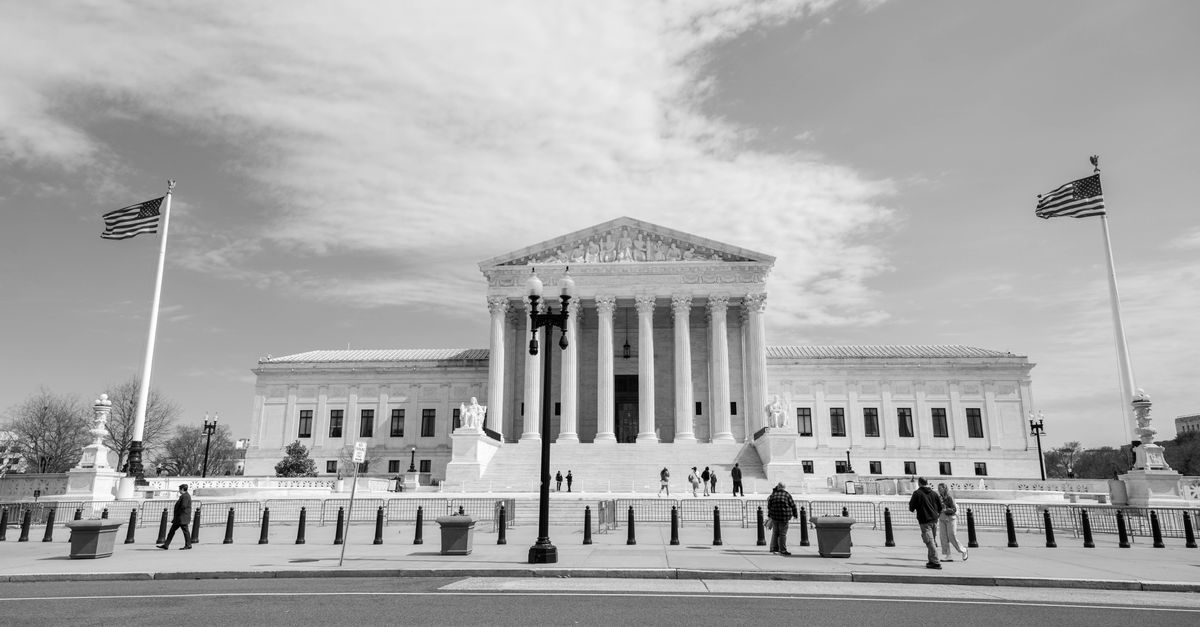
Understanding the Role of Civil Rights Attorneys
Burden of Proof and Principle: A US Legal Backbone
US Civil Rights Attorneys stand as formidable champions of justice, tirelessly advocating for those whose rights have been infringed. Their responsibility transcends mere legal representation, delving into the core principles enshrined in the Constitution, ensuring equality, and preserving justice for every citizen.
Advertisement
The Historical Strides in Civil Rights Advocacy
A pivotal journey began in the 1950s and 60s, as civil rights activism led to legislative milestones securing rights for African Americans and dismantling segregation. These movements catalyzed legislative change, with civil rights attorneys at the forefront - wielding legal prowess to champion transformative societal shifts.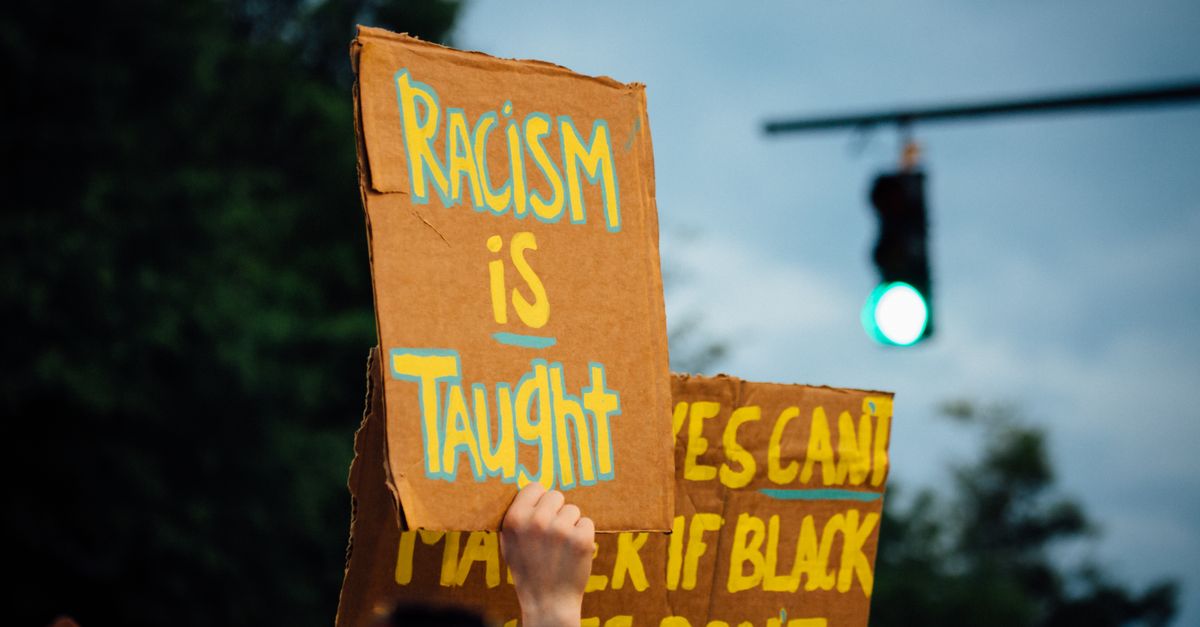
Advertisement
Addressing Contemporary Injustices
In today's landscape, US Civil Rights Attorneys tackle an evolving array of cases. From police misconduct and racial profiling to education rights and disability inclusion, they navigate complex legal waters. With a firm focus on equity, these attorneys confront emerging challenges, ensuring the steady march toward justice continues.
Advertisement
A Balancing Act: Advocacy and Legal Intricacies
The art of advocacy requires civil rights attorneys to master intricate legal tactics while maintaining empathy and tenacity. Careful documentation, strategic litigation, and comprehensive analysis lay the groundwork for their cases, while their passion for justice drives them to pursue outcomes that shape society equitably.
Advertisement
Navigating a Spectrum of Rights
Civil rights span a myriad of issues, each commanding the adept attention of dedicated attorneys. Gender equality, LGBTQ+ rights, and freedom of speech present unique challenges requiring bespoke strategies, uniting civil rights attorneys in their mission to level the playing field and uphold foundational liberties.
Advertisement
Key Legislation Fortifying Civil Rights
Landmark laws, like the Civil Rights Act of 1964 and the Voting Rights Act of 1965, safeguard citizens' fundamental freedoms. Civil Rights Attorneys draw upon these legal instruments to fortify and expand civil liberties, reinforce anti-discrimination measures, and ensure continued protection for all under the law.
Advertisement
The Role of Technology in Modern Advocacy
Today's digital era ushers in both challenges and opportunities; civil rights attorneys leverage technology to fight cyber discrimination, data privacy issues, and online hate speech. The dynamic nature of technology demands attuned adaptability, ensuring attorneys remain at the cutting edge of protecting individual and communal rights.
Advertisement
Looking Forward: The Unfolding Narrative of Justice
As guardians of justice, US Civil Rights Attorneys continuously adapt to novel challenges and shifting societal norms. Their resilience reflects in their ability to navigate complex legal frameworks, safeguarding the rights of the disenfranchised. With their unwavering commitment to equity, they remain pivotal in shaping America's future toward greater inclusivity and justice for all citizens.
Advertisement