Understanding Parkinson’s Disease Treatment Options
Introduction
Navigating Parkinson's disease treatment can feel daunting, but understanding your options can empower decision-making. This journey involves a blend of medical innovation, symptom management, and lifestyle adjustments. Along the way, advancing therapies are reshaping the landscape, providing renewed hope and improving quality of life for those affected by this complex neurological condition.
Advertisement
A Closer Look at Parkinson’s Disease
To appreciate the value of various treatments, it's essential first to grasp what Parkinson's disease entails. It's a progressive nervous system disorder affecting movement, often leading to tremors, rigidity, and balance issues. Alongside motor symptoms, patients may experience non-motor challenges like sleep disorders, mood swings, and cognitive changes.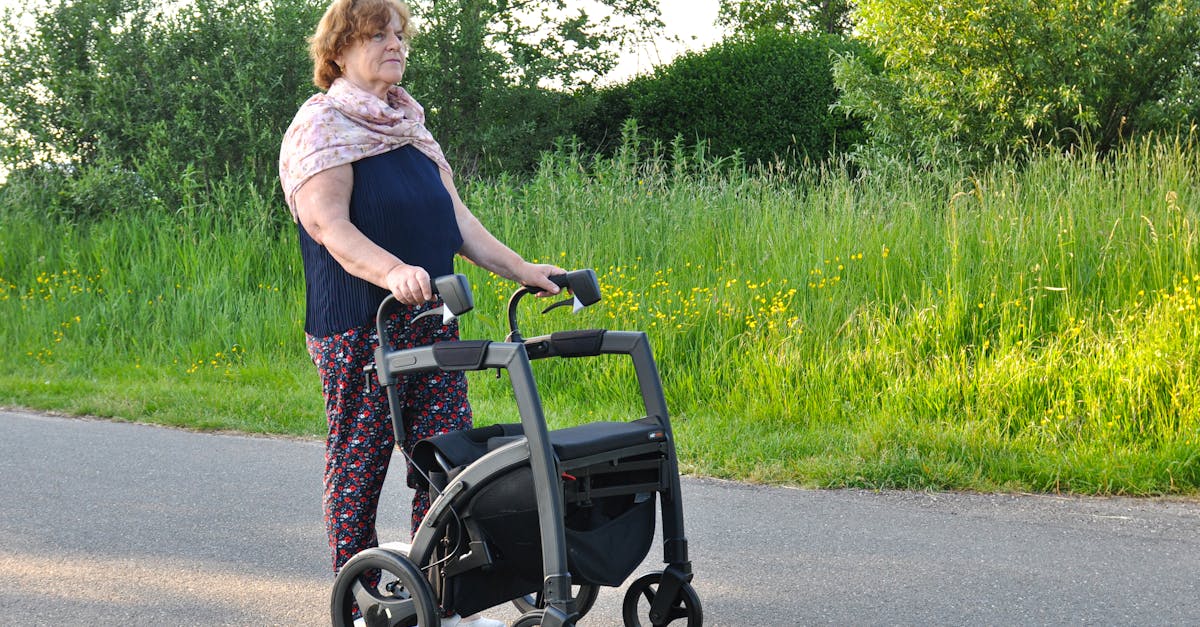
Advertisement
The Role of Medication
For many, medication remains the cornerstone of Parkinson's disease treatment. The most widely used drug is Levodopa, often combined with Carbidopa to enhance absorption. These medications work by replenishing dopamine, a critical neurotransmitter. However, the effectiveness can diminish over time, leading doctors to explore alternative or supplementary treatments.
Advertisement
Exploring Advanced Therapies
Beyond traditional medication, advanced therapies are making waves in Parkinson's disease management. Deep Brain Stimulation (DBS) is an option for those with severe motor symptoms. This surgical procedure involves implanting electrodes in specific brain regions to regulate neural activity, often significantly improving motor function. Another exciting development is the use of Duopa, a gel form of Levodopa administered via a tube into the small intestine for a smoother delivery.
Advertisement
Lifestyle Adjustments and Therapies
In managing Parkinson's disease, lifestyle interventions play a pivotal role. Regular exercise, tailored to improve balance, strength, and coordination, can slow symptom progression. Physical and occupational therapy sessions help individuals retain independence in daily tasks, while speech therapy is crucial for those experiencing vocal challenges.
Advertisement
The Power of Nutrition and Support
A balanced diet, rich in antioxidants and omega-3s, may offer neuroprotective benefits. Attention to gut health is also paramount, given the emerging links between nutrition and neurological function. Additionally, support groups provide a community for sharing experiences, fostering motivation, and leaving an indelible positive impact on mental health.
Advertisement
Exploring Future Horizons
Research into Parkinson’s disease treatment is ever-evolving. Investigations into stem cell therapy, gene therapy, and novel pharmacological agents hold promise for future breakthroughs. These innovations highlight a commitment to understanding and combating the disease at its root, offering hope for improved outcomes.
Advertisement
Conclusion
Parkinson's disease treatment options are expanding, incorporating breakthroughs in science and technology alongside traditional methods. While each patient’s journey is unique, a comprehensive approach can significantly enhance life quality, addressing both motor and non-motor symptoms. As research progresses, the potential for more effective treatment strategies continues, ushering hope for a future with reduced impact from Parkinson's disease.
Advertisement