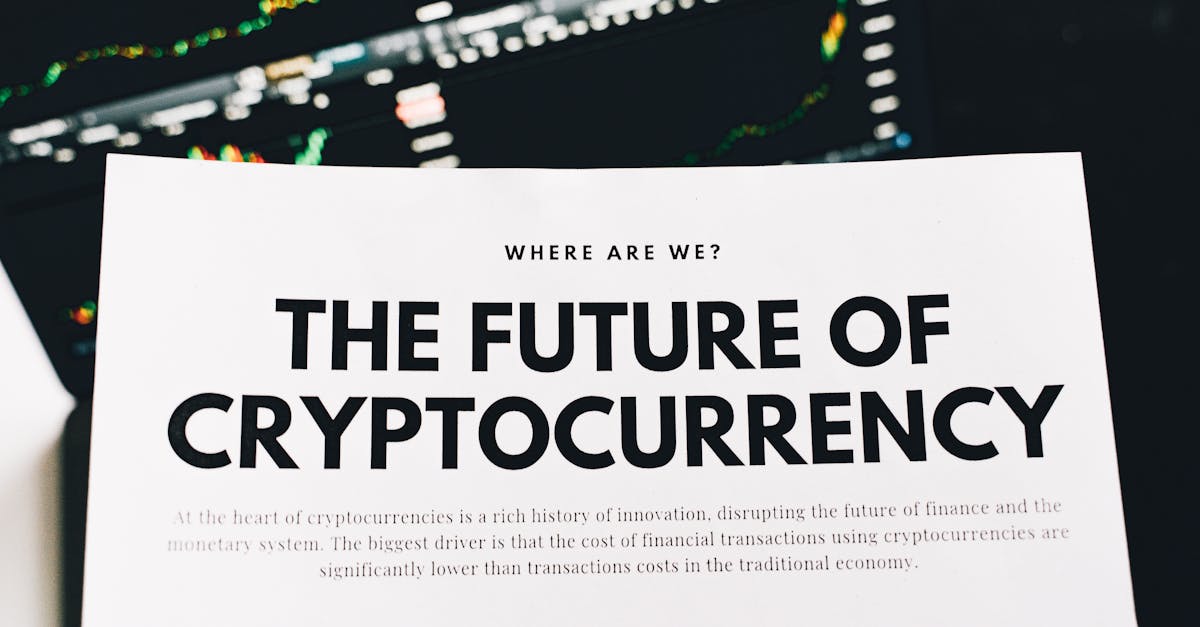
Mosaic of Fintech Disrupting Digital Payments
Introduction: The Fintech Revolution
As of 2023, the ever-evolving world of finance has witnessed seismic shifts in how payments are made and managed. Fintech, short for financial technology, stands at the forefront of this revolution, transforming digital payments in ways that redefine convenience and accessibility. With an array of innovative startups and established giants, the fintech landscape is rich with solutions that cater to a new generation of consumers and businesses. The catalysts behind this disruption include advances in technology, evolving consumer behaviors, and a global push towards cashless economies. At the heart of this transformation are digital payment systems, which are reshaping how transactions occur. This article explores the mosaic of fintech innovations driving changes in digital payment methodologies.
Advertisement
Understanding Fintech and Its Growth
Fintech merges finance and technology, producing digital solutions that streamline financial services. Its growth can be attributed to technological advancements like blockchain, AI, and cloud computing, coupled with consumer demands for more efficient and transparent services. From peer-to-peer lending platforms to robo-advisors, fintech covers a broad spectrum of financial products. Payment systems within this sector have proven particularly revolutionary, offering innovative avenues for executing transactions in real-time. As fintech expands, it increasingly attracts investments, with billions funneled annually into the industry. This growth evidences a strong belief in technology's potential to enhance financial inclusivity and reshape economy dynamics globally.
Advertisement
The Rise of Digital Payment Platforms
Digital payment platforms such as PayPal, Stripe, and Square exemplify how fintech has revolutionized monetary transactions. These platforms eliminate the need for physical cash, contributing to more efficient payment methods that appeal to businesses and consumers alike. From small e-commerce shops to global corporations, the versatility of these platforms remains key. By leveraging secure, user-friendly interfaces, they facilitate instant transactions across geographical boundaries. Additionally, mobile wallets, integrating seamlessly with smartphones, have emerged as pivotal fintech products, exemplifying how consumers can conduct everyday transactions without conventional banking infrastructure. The rise of these modes underscores a larger migration towards digital-first payment solutions.
Advertisement
Blockchain: The Backbone of Secure Transactions
Blockchain technology contributes immensely to fintech by ensuring secure, transparent transactions. Originally devised for cryptocurrencies like Bitcoin, blockchain's decentralized, immutable ledger system has a wider application scope. By enabling secure peer-to-peer transactions without intermediaries, blockchain drastically reduces costs and increases transaction speed. This technology's transparency affirms accuracy and fraud reduction, qualities invaluable in digital payments. Many fintech firms are now incorporating blockchain in payment security and identity verification algorithms. Such widespread incorporation fosters trust in digital payment solutions, promoting the transition to cashless societies.
Advertisement
The Role of Artificial Intelligence in Fintech
Artificial intelligence (AI) empowers fintech, particularly in personalized digital financial services and fraud prevention. AI algorithms continuously analyze user data, offering personalized payment suggestions and optimization of user experiences. By predicting consumer patterns and flagging anomalies, AI aids in significantly reducing fraud incidents. For online payments, AI ensures seamless identity verification, often expedited by biometric technologies like facial recognition. Furthermore, AI-driven chatbots and virtual assistants enhance customer service within payment platforms, providing information and resolving issues swiftly. This integration of AI into fintech ensures that digital payments remain secure and continuously improve in efficiency and customer satisfaction.
Advertisement
Shaping a Cashless Society
Fintech innovations are steadily paving the way for a predominantly cashless society. With digital wallets, point-of-sale systems, and contactless payments, everyday transactions occur without paper money. In countries like Sweden and South Korea, cashless transactions are becoming commonplace, encouraged by fintech advancements and government policies. Cashless societies offer benefits such as reduced crime rates, as physical currencies often facilitate illicit activities. Moreover, digital payments contribute to robust economic systems by providing transparent transaction records. The transition requires overcoming challenges like ensuring data security and providing inclusivity for non-tech-savvy demographics, but fintech remains pivotal in this global shift.
Advertisement
Regulatory Challenges and Data Security
Despite fintech's impressive growth, regulatory challenges and data security remain critical concerns. Regulating fintech appropriately ensures consumer protection and financial stability, enabling a balanced ecosystem. Governments worldwide are implementing regulations that guide fintech operations, yet balancing innovation and regulation remains delicate. On the other front, ensuring data security challenges fintech companies due to the massive data volumes handled daily. Cybersecurity remains a priority, with firms investing in advanced encryption methods and regular audits to prevent breaches. Addressing these challenges is crucial for fintech to thrive and to guarantee that digital payments remain safe across all user interactions.
Advertisement
Inclusivity and Economic Empowerment
Fintech actively promotes financial inclusion by offering affordable and accessible financial services. In developing regions where traditional banking may not reach, fintech bridges gaps through innovative digital platforms. Mobile money services enable millions without bank accounts to participate in the economy actively. Fintech empowers small businesses by providing necessary financial infrastructure and access to global markets. E-commerce platforms supported by digital payment options facilitate startup growth, fueling innovation and entrepreneurship. With concerted efforts to reach underserved populations, fintech holds the promise of democratizing financial access and contributing significantly to economic empowerment.
Advertisement
Future Horizons of Digital Payments
The future of digital payments under fintech's aegis appears promising, with innovations continually emerging. Trends pointing toward integrated financial ecosystems signify a holistic approach to managing personal and business finances. Emerging technologies like the Internet of Things (IoT) and quantum computing may further revolutionize the payment landscape, offering seamless interconnectivity and advanced computational capabilities. Cross-border payment solutions powered by blockchain enable real-time international transactions, further boosting global trade efficiency. As fintech evolves, collaboration amongst financial institutions, tech companies, and regulatory bodies becomes crucial in steering how digital payments journey forward into future landscapes.
Advertisement
Conclusion: A Fintech-Driven Payment Future
Fintech is undisputedly reshaping digital payments, offering high-tech solutions that redefine transactional experiences. While challenges persist regarding regulation and data security, fintech holds tremendous potential to usher in a cashless era. It bears the promise of economic empowerment, inclusivity, and global interconnectedness, revolutionizing how businesses operate and individuals manage finances. Collaboration among key players can address hurdles, ensuring streamlined and secure digital payment systems. The continuous surge of innovation within fintech foretells an exciting trajectory, steering the world towards a technologically advanced financial landscape unbounded by traditional currency constraints.
Advertisement