Digital Wallets Transforming the Future of Finance
Introduction
In recent years, the financial ecosystem has experienced a digital renaissance, fueled by transformative technologies. Central to this evolution is the rise of digital wallets, a modern tool revolutionizing how people conduct financial transactions. Offering unparalleled convenience, these electronic wallets have become indispensable in our increasingly cashless society. But what exactly are digital wallets, and how are they reshaping the future of finance? As the demand for seamless and secure payment solutions grows, digital wallets are poised to play a pivotal role. This article delves into the forces driving their adoption and their implications for the global economy.
Advertisement
Understanding Digital Wallets
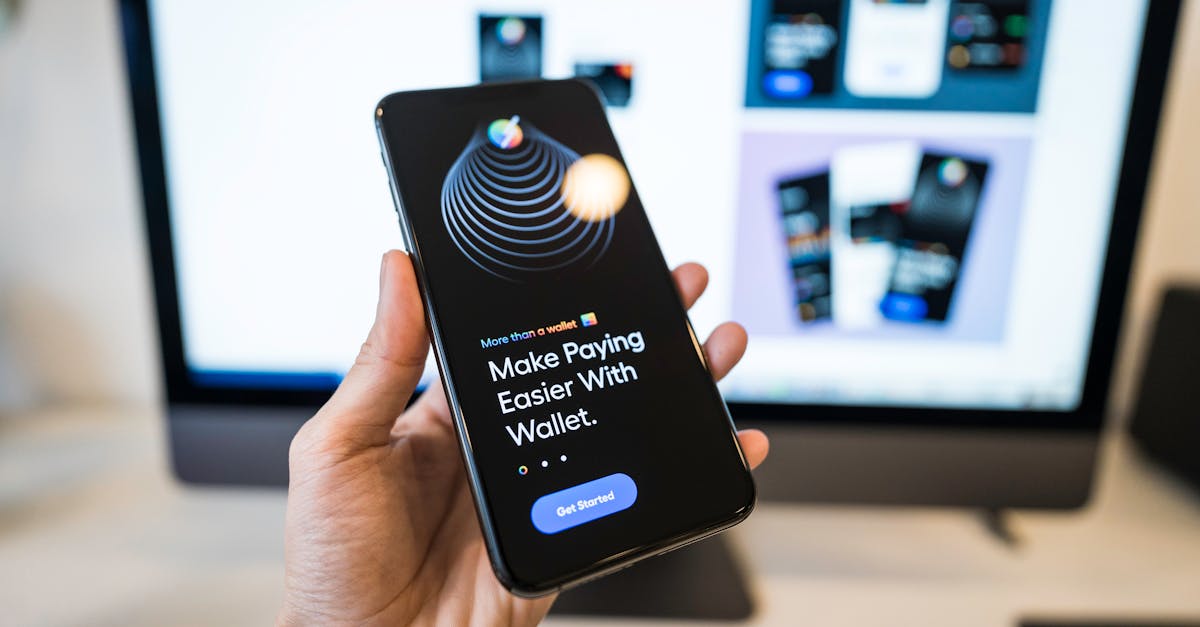
Digital wallets, also known as electronic wallets, are software applications that securely store users' payment information and passwords for a wide range of payment methods and websites. These sophisticated tools enable users to conveniently make transactions via smartphones, tablets, and computers. Beyond just storing credit and debit card information, digital wallets often integrate with cryptocurrencies, loyalty cards, and more, streamlining purchases across various platforms. The unprecedented rise in smartphone usage and internet accessibility has acted as a catalyst for their adoption, making financial transactions more efficient for millions worldwide.
Advertisement
Convenience Redefined
The appeal of digital wallets lies in the convenience they offer, transforming how consumers approach both in-person and online shopping. By eliminating the need for physical cards and cash, digital wallets provide a frictionless payment experience. Features such as tap-to-pay and biometric authentication further streamline transactions, reducing checkout times and enhancing customer satisfaction. Furthermore, the ability to store multiple payment methods in one place makes it easier for consumers to manage their finances. With retailers and service providers increasingly accepting digital payments, the need for traditional wallets is rapidly diminishing.
Advertisement
Security at the Forefront
While convenience is crucial, security remains a cornerstone of digital wallets' appeal. Leveraging advanced encryption and tokenization technologies, digital wallets ensure that users’ sensitive information is well-protected during transactions. Many wallets employ multi-factor authentication, requiring users to verify their identity through passwords, biometrics, or one-time passcodes. This robust security framework minimizes the risk of fraud and unauthorized access, reassuring users and paving the way for safer financial interactions. As cyber threats continue to evolve, digital wallet providers are committed to maintaining rigorous security protocols that protect users’ financial data.
Advertisement
Empowering Financial Inclusion
Digital wallets hold the promise of bridging the gap between traditional banking and underserved communities, fostering greater financial inclusion. By providing a platform that is accessible via smartphones, these wallets offer basic financial services to individuals who might not have access to conventional banking. Simplifying transactions and enabling peer-to-peer transfers, digital wallets empower users to participate in the digital economy, thus stimulating economic growth across diverse demographics. By serving as a gateway to financial empowerment, digital wallets are facilitating new opportunities for individuals to save, invest, and interact within the financial ecosystem.
Advertisement
The Role of Cryptocurrencies
An intriguing aspect of digital wallets is their integration with cryptocurrencies, revolutionizing the purchase and trading of digital assets. As interest in cryptocurrencies like Bitcoin and Ethereum surges, these wallets provide a seamless way for users to store, send, and receive digital coins. Some wallets even allow users to convert between fiat currency and cryptocurrencies, simplifying the process of engaging in the blockchain economy. This development signals a broader acceptance of digital currencies and highlights the adaptability of digital wallets in catering to emerging financial trends.
Advertisement
Retailers and the Cashless Trend
As digital wallets become more commonplace, retailers and merchants are embracing the shift towards a cashless society. Many businesses now accept payments from popular digital wallets like Apple Pay, Google Wallet, and PayPal, enhancing the shopping experience and accommodating diverse payment preferences. This shift promises significant cost savings for retailers by reducing the handling of cash and checkout times. Moreover, the availability of transaction data allows retailers to gain insights into consumer behavior, aiding in strategic decision-making and driving personalized marketing efforts that resonate with modern customers.
Advertisement
Challenges and Obstacles
Despite their advantages, digital wallets face challenges that could hinder full adoption. Concerns over data privacy, cybersecurity threats, and the digital divide are barriers that must be addressed to ensure widespread acceptance. Additionally, regulatory compliance and cross-border transaction complexities present hurdles that stakeholders within the industry must navigate. It is essential for providers to continually innovate, adhering to industry standards and focusing on user education to alleviate concerns and build trust among consumers. Collaborative efforts among fintech companies, regulators, and consumers are vital in addressing these challenges to propel digital wallets into the mainstream.
Advertisement
The Future of Financial Transactions
Digital wallets are not just a fleeting trend – they represent the future of how individuals will manage their finances and interact with the economy. As technological advancements continue to push boundaries, digital wallets will likely integrate with cutting-edge innovations such as IoT, AI, and blockchain. This evolution promises to further personalize financial services and enhance user experiences. By fostering innovation and partnerships, the future landscape of finance holds immense possibilities, with digital wallets at the forefront. As consumers become more accustomed to digital transactions, this shift will redefine the financial paradigm.
Advertisement
Conclusion
In conclusion, digital wallets are paving the way for a new era of financial transactions, driven by convenience and security. Their integration into daily life has not only streamlined payment processes but also expanded financial access to previously underserved populations. Digital wallets are fostering greater financial inclusion, accommodating innovative solutions, and reshaping the financial landscape in profound ways. As the world becomes more interconnected, digital wallets will continue to play a pivotal role, ensuring that the future of finance remains dynamic and accessible. Embracing this digital transformation is imperative for individuals and businesses alike, as they navigate the evolving financial frontier.
Advertisement