Digital Wallet Odyssey Navigating Future Finance
Introduction
In the ever-evolving landscape of modern technology, digital wallets have emerged as a revolutionary force in personal finance. Gone are the days of cash and clunky cards, as smartphones increasingly become the center of our financial universe. A digital wallet, essentially a virtual version of a physical wallet, stores payment information and passwords securely. With their convenience, adaptability, and security, digital wallets are reshaping the way we interact with currency. As more people gravitate towards cashless transactions, it's clear that digital wallets are not just a trend but a fundamental shift in financial operations. This transformation raises questions about the future of money management and its impact on the global economy.
Advertisement


Understanding Digital Wallets
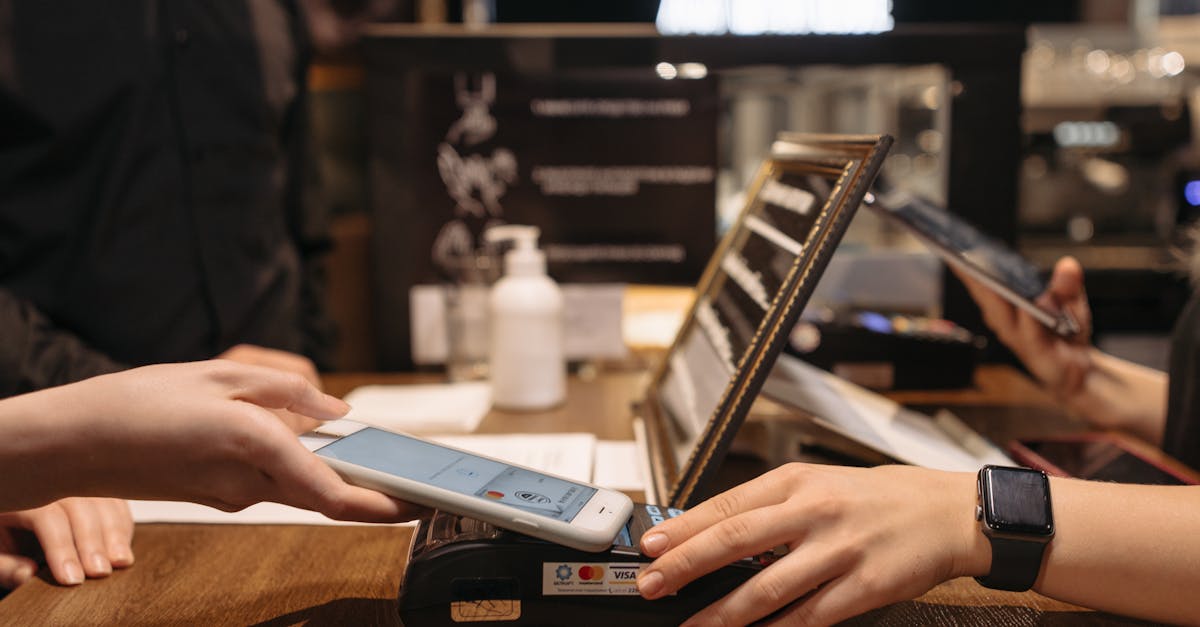
At their core, digital wallets are applications that store your payment and financial information digitally. They can be used on computers or mobile devices to make payments, track transactions, and manage finances. Services like Apple Pay, Google Wallet, and PayPal have become household names, largely due to their user-friendly interfaces and broad acceptance. Think of a digital wallet as an all-in-one solution, eliminating the need to carry multiple credit cards, cash, and even IDs. Instead, users just need their smartphone or smartwatch to perform a wide range of financial activities. Importantly, these platforms utilize advanced technologies like encryption and tokenization to ensure secure transactions.
Advertisement
The Rise of Cashless Society
The migration towards a cashless society is being driven by both technological advancements and changing consumer preferences. Digital wallets offer a seamless transaction process that appeals to the digitally savvy individuals who value speed and convenience. As smartphone usage continues to rise and internet connectivity becomes more widespread, the reliance on physical cash diminishes. Governments and financial institutions are also pushing for cashless economies, recognizing the potential for reduced transaction costs and increased financial transparency. Moreover, during unexpected events like the COVID-19 pandemic, contactless payments through digital wallets provide a safer alternative, minimizing personal contact.
Advertisement
Innovations and Innovations
With technology's rapid advancement, digital wallets are no longer limited to just a mere storage of payment cards. The integration of features such as peer-to-peer (P2P) transfers, cryptocurrency storage, and digital identity cards represents a monumental shift. Beyond that, they're integrating loyalty programs, offering personalized financial advice, and even facilitating investment options. Innovations such as biometric verification methods like facial recognition and fingerprint scanning offer enhanced security, reducing the risks associated with unauthorized access. This shift is making digital wallets not only a payment tool but a comprehensive financial management system.
Advertisement
Security Concerns in Digital Wallets
While digital wallets offer an array of advantages, they are not without security challenges. Cybersecurity threats continually evolve, posing potential risks to users' financial data. Despite strong encryption and tokenization practices, cybercriminals remain relentless in exploiting vulnerabilities. The responsibility lies heavily with digital wallet providers, who must invest in cutting-edge security measures to protect user data. Additionally, users are encouraged to remain vigilant by updating their passwords regularly, enabling two-factor authentication, and avoiding using public Wi-Fi for transactions. The balance between convenience and security remains a delicate act in the digital wallet arena.
Advertisement
Inclusivity and Global Financial Integration
Digital wallets hold the promise of greater financial inclusivity, especially for the unbanked and underbanked populations worldwide. By bypassing the need for traditional banking infrastructure, digital wallets can offer a gateway to financial services for millions. In regions with unstable economies, they can facilitate cross-border transactions with reduced fees and instantaneous processing times. Moreover, as globalization intensifies, digital wallets could pave the way for seamless foreign exchanges and broader global commercial integration. They eliminate the need for currency conversion, encouraging international travel and commerce without the hassle of fluctuating exchange rates.
Advertisement
The Role of Fintech and Banks
The rise of digital wallets underscores the symbiotic relationship between fintech companies and traditional banks. While fintech disrupts the financial ecosystem with innovation and speed, banks bring regulatory compliance and trust. This synergy is evident in partnerships that leverage fintech advancements while complying with banking regulations. Banks benefit from the innovation of digital wallets by offering enhanced consumer experiences, while fintech firms gain from banks' expansive reach and customer base. As digital wallets continue to establish their place in consumers' lives, traditional banks must adapt and innovate to remain competitive and relevant.
Advertisement
Challenges and Future Prospects
Adopting digital wallets isn't devoid of challenges. Technical issues, such as device compatibility, network connectivity, and adoption rates, affect their uptake. Furthermore, geographical regulation discrepancies and potential data breaches perpetuate user apprehensions. Despite these challenges, the future of digital wallets appears promising. The continual rise in digital currency use and technological advancements suggests a future where digital wallets are as ubiquitous as the smartphones they reside on. As the digital landscape evolves, digital wallets will likely integrate with artificial intelligence, offering even more sophisticated financial insights and services.
Advertisement
Consumer Behaviors and Trends
Consumer behavior is pivotal in steering the future trajectory of digital wallets. Today's consumers value seamless, transparent, and effective solutions that integrate seamlessly into their everyday lives. As younger, tech-savvy generations come of age, the expectation for financial solutions that match their digital lifestyle grows. Digital wallets cater to these demands with their versatile offerings, setting a new standard in financial convenience. Moreover, as environmental concerns rise, the reduction in physical card use and paper receipts lends an eco-friendly appeal to digital wallets, potentially influencing consumer choices.
Advertisement
Conclusion and Summary
Digital wallets are redefining how we view and handle money, offering vast potential for innovation in personal finance. They cater to modern demands for convenience, security, and flexibility, marking a significant departure from traditional banking methods. The integration of advanced technology, coupled with a focus on consumer experience, primes digital wallets to play a central role in financial futures. While challenges remain, continuous innovation and adaptation will ensure their enduring presence in global economies. As we navigate this digital wallet odyssey, the persistent aim is a more streamlined, inclusive, and secure financial ecosystem.
Advertisement