Unbundling the Appeal of Digital Wallet Dynamo Daily
Introduction to Digital Wallets
In today's increasingly digital world, digital wallets have emerged as a powerful tool for managing personal finances and conducting transactions. These virtual money management systems offer convenience, security, and speed, making them indispensable for many. Whether shopping online, transferring money to friends, or paying bills, digital wallets have revolutionized how we handle money. But what are digital wallets, and why have they become so popular? This article explores the advantages, challenges, and future possibilities of digital wallets, giving you a comprehensive understanding of this fascinating financial evolution.
Advertisement
Understanding Digital Wallets
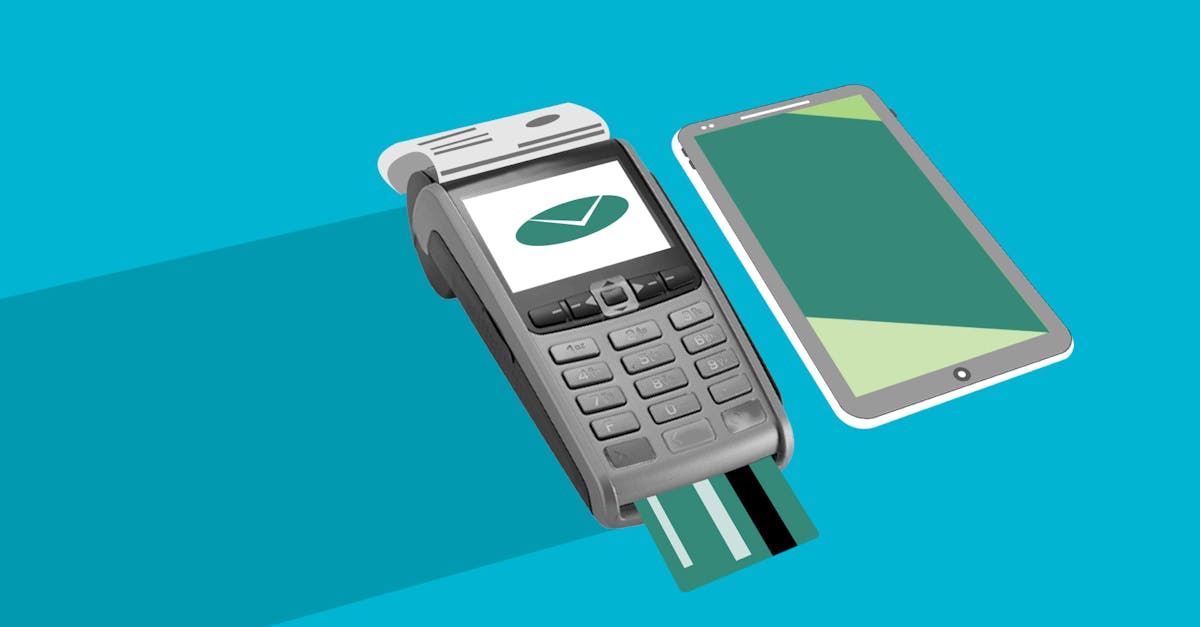
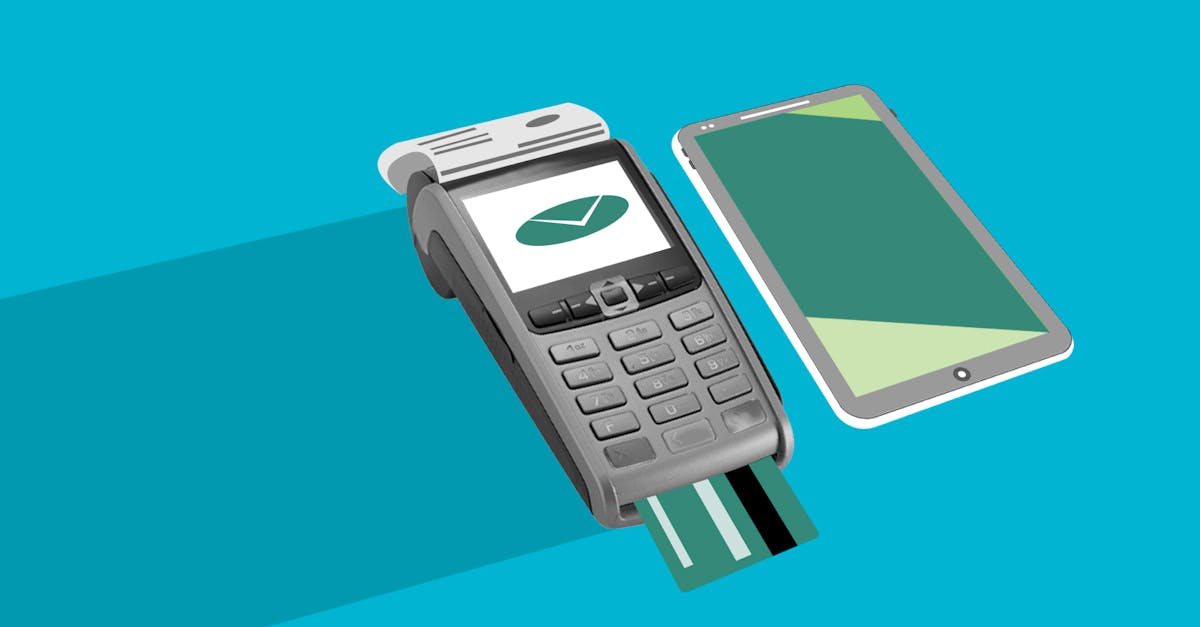
At its core, a digital wallet is a software-driven solution that allows you to store, send, and receive money using your smartphone or computer. These wallets are often linked directly to your bank account or credit/debit cards, facilitating seamless transactions. Popular platforms like PayPal, Apple Pay, and Google Wallet exemplify the digital wallet model, offering users various functionalities beyond mere money transfers. With features like encryption and two-factor authentication, digital wallets prioritize user security, making them a trusted choice for many.
Advertisement
The Why of Digital Wallet Popularity
The growing popularity of digital wallets can be attributed to several compelling factors: Firstly, they offer unparalleled convenience, allowing for quick transactions anytime, anywhere. With the rise of e-commerce and online shopping, digital wallets have become a preferred payment method, simplifying checkout processes. Moreover, they provide increased security over traditional methods like credit cards, utilizing technologies like NFC (Near Field Communication) for contactless payments. Additionally, many digital wallets offer rewards, cashbacks, and promotions, enhancing their appeal and incentivizing usage.
Advertisement
Security Features of Digital Wallets
Security is a cornerstone of digital wallets, and developers continuously innovate to protect user data. Encryption ensures that any information shared is secured, shielding it from unauthorized access. Biometric authentication, such as fingerprint or facial recognition, adds an additional layer of security. Moreover, real-time transaction alerts and the ability to lock wallets remotely fortify this safety net. Despite some concerns over cybersecurity threats, digital wallets leverage cutting-edge technology to mitigate risks and ensure users' peace of mind.
Advertisement
Innovations in Digital Wallet Technology
The technological strides in digital wallets have set them apart from other payment methods. Apart from contactless payments, many wallets now incorporate AI to offer personalized financial advice based on spending habits. Integration with other smart technologies, like digital assistants and wearables, amplifies their utility. Moreover, blockchain technology is making its way into digital wallets, offering transparency and reducing fraud in financial transactions. These continuous innovations demonstrate the evolving landscape of digital wallets, positioning them as a versatile financial solution.
Advertisement
Challenges Faced by Digital Wallets
Despite their many advantages, digital wallets are not without challenges. Adoption rates can vary significantly across different demographics, with older populations less inclined to shift from cash to digital money. Security remains a constant concern, with potential data breaches posing risks to users' financial integrity. Additionally, fragmented technology and interoperability issues between platforms can cause friction and user dissatisfaction. Ensuring consistent and universal access to the internet and mobile technology remains another ongoing challenge that digital wallets need to address.
Advertisement
Regulatory and Legal Considerations
The rapid adoption of digital wallets has prompted discussions around privacy and user data management. Global regulatory bodies are working to establish frameworks ensuring that digital wallet services adhere to privacy laws and anti-fraud measures. Furthermore, the legal landscape varies by region, impacting the operational flexibility of digital wallet providers. Collaboration between tech companies and governments remains crucial to harmonize regulations and build a globally operable financial system. As the digital wallet ecosystem grows, these discussions will become increasingly pertinent.
Advertisement
The Future of Digital Wallets
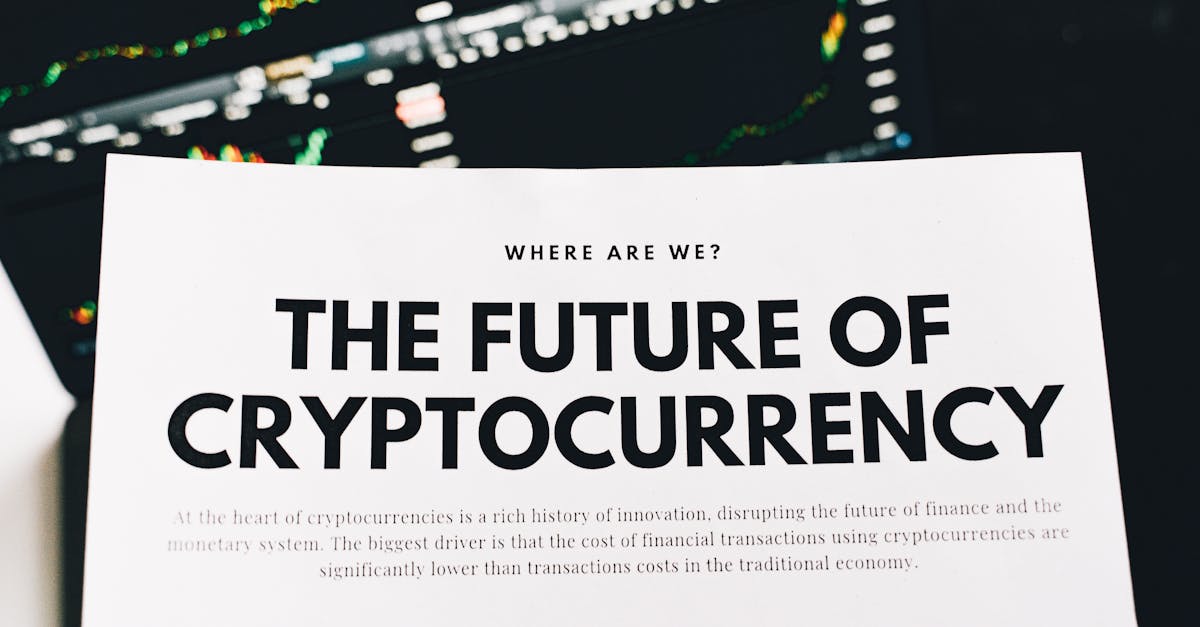
Looking forward, digital wallets are poised to become the epicenter of personal finance. With continuous tech advancements, these platforms promise to offer increasingly sophisticated financial services, likening them to "super-apps." Integration with the Internet of Things (IoT) will further enhance personalized user experiences, transforming everyday objects into payment points. The rise of cryptocurrencies also hints at potential applications within digital wallets, adding another dimension to currency storage and transactions. As the world continues to move towards a cashless economy, digital wallets will play an integral role in shaping financial landscapes.
Advertisement
Daily Use Cases and Adoption Stories
Usage of digital wallets is now a daily routine for many, spanning various activities from buying groceries to booking flights. In countries like China and India, these wallets have seen widespread acceptance, transforming consumer behavior and expanding financial inclusivity. Stories of small businesses growing by tapping into this tech, or individuals in underserved regions gaining access to financial services, abound. Such real-world applications illustrate the transformative power of digital wallets, bridging gaps and fostering connectivity in our financial ecosystems.
Advertisement
Conclusion and Reflection
Digital wallets are more than just a means to store and spend money; they represent a paradigm shift in how we perceive and enact financial transactions. By merging advanced technology with user-friendly designs, they simplify our financial interactions. As we stand on the cusp of a digital finance revolution, understanding and adapting to the digital wallet landscape will prove essential. The benefits are palpable, though challenges persist, necessitating ongoing innovation and regulation. Ultimately, digital wallets symbolize the future of finance—convenient, secure, and ever-evolving.
Advertisement